What a Service Schedule Actually Is
A service schedule is a manufacturer-created maintenance plan that tells you exactly when to inspect, replace, or service specific parts of your vehicle. It is not a generic checklist invented by your local shop - it is engineering guidance based on how your particular car's components wear under real-world use.
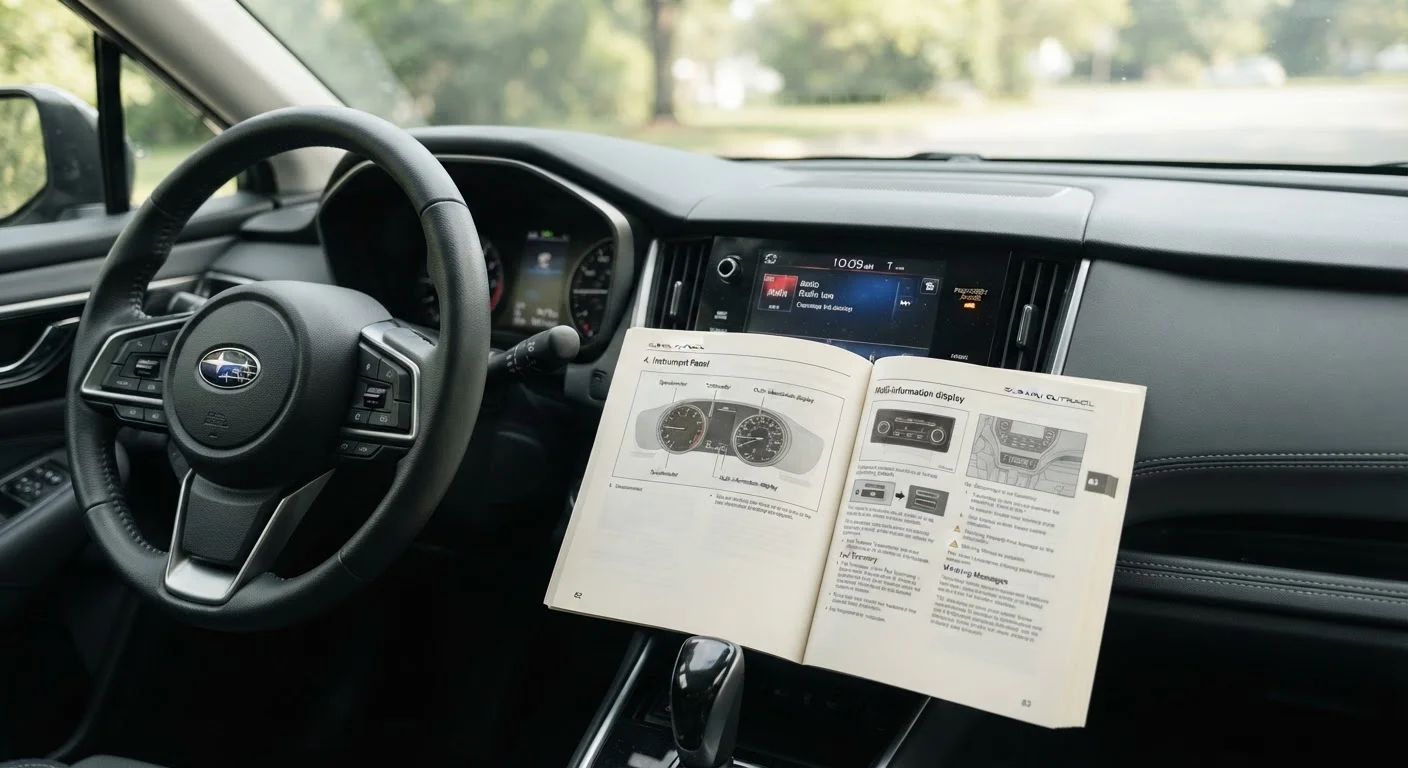
Every new vehicle comes with this plan documented in the owner's manual, typically labeled as a "Maintenance Schedule" or "Service Intervals" section. It lists tasks tied to mileage milestones (e.g., every 5,000 or 7,500 miles) alongside time-based triggers (e.g., every 12 months). Whichever threshold arrives first applies - a car driven very little still needs certain services on a calendar basis because fluids and rubber components age regardless of mileage.
Service interval
The mileage or time threshold at which a specific maintenance task is recommended by the manufacturer - whichever arrives first.
Owner's manual
The official guide provided by the vehicle manufacturer that includes specifications, service schedules, and operating instructions specific to your model.
Severe service conditions
Driving patterns or environments - such as frequent short trips, towing, or extreme temperatures - that put extra stress on vehicle components and warrant shorter maintenance intervals.
Powertrain warranty
A manufacturer guarantee covering major mechanical components like the engine and transmission, which may have conditions tied to documented maintenance history.
Magnuson-Moss Warranty Act
A U.S. federal law that generally protects consumers from having their vehicle warranty voided solely because they used an independent shop, provided manufacturer-specified maintenance standards are met.
Understanding this structure is the foundation of informed car ownership. Once you know what the schedule says, you can make confident decisions at the shop - and avoid paying for services that aren't yet due.
How to Read Your Maintenance Book
Locate the maintenance section of your owner's manual - it usually appears near the back and may be a separate booklet in older vehicles. You'll find a table or checklist organized by mileage intervals, with columns indicating whether a task should be inspected, replaced, or lubricated at each point.
Key things to look for:
- Interval triggers: Both mileage and months are listed. Note which applies to you first.
- Two schedules: Most manuals include a "Normal" and a "Severe" schedule - we explain the difference in the next section.
- Item descriptions: Tasks are usually abbreviated (e.g., "R" for Replace, "I" for Inspect). A legend at the start of the section explains each code.
If your physical manual is missing, most automakers post the maintenance schedule on their official website, searchable by model year and VIN. For a quick cross-reference on standard milestones, see our quick-reference guide to standard car servicing intervals.
Normal vs. Severe Driving Conditions
One of the most misunderstood parts of any service schedule is the distinction between normal and severe operating conditions. Many drivers assume they fall under "normal," but manufacturer definitions of severe conditions are broad:
- Frequent trips under 5 miles, especially in cold weather
- Stop-and-go city driving or heavy traffic commutes
- Towing, hauling, or carrying heavy loads regularly
- Driving in dusty, muddy, or extremely hot or cold environments
- Extended idling (e.g., delivery driving, rideshare)
If any of these apply to you regularly, the severe schedule - which recommends shorter intervals - is likely the more appropriate one. Running on normal-schedule intervals when your driving is actually severe accelerates wear on oil, filters, brakes, and transmission fluid.
Keep a Simple Service Log
Record every service in a small notebook or a free notes app - date, mileage, and what was done. This costs nothing and pays dividends at resale time or if a warranty question ever arises. Shops often provide a printed summary you can simply keep in the glovebox.
Not sure which schedule fits your driving? Err on the side of the severe schedule. The cost difference between servicing slightly early versus dealing with avoidable mechanical failure is significant.
Why Sticking to the Schedule Saves Money
Deferred maintenance is one of the most common - and preventable - causes of expensive car repairs. When you skip an oil change, for example, degraded oil loses its lubricating properties and accelerates engine wear. A $60-$100 oil change deferred long enough can contribute to engine damage that costs thousands to address.
Beyond mechanical protection, there are two other financial reasons to follow the schedule:
- Warranty protection: Under the Magnuson-Moss Warranty Act, manufacturers can deny warranty claims if they can demonstrate that neglected maintenance caused the failure. Documented service history is your protection.
- Resale and trade-in value: A verifiable maintenance record is a meaningful factor for private buyers and dealerships evaluating a used vehicle. Documented service history generally supports a stronger asking price.
For a broader look at where to spend and where you can be more flexible, see our guide on car maintenance on a budget. And before authorizing any service appointment, our pre-service verification checklist can help you avoid paying for work that isn't due.
Common Service Milestones Explained
While your specific schedule varies by make and model, most vehicles share a recognizable set of service milestones. Here's what typically occurs at common intervals:
| Approximate Interval | Common Service Tasks |
|---|---|
| Every 5,000-7,500 miles or 6-12 months | Oil and filter change, tire rotation, fluid top-offs, visual inspection |
| Every 15,000-30,000 miles | Air filter replacement, cabin air filter, brake inspection, battery check |
| Every 30,000-60,000 miles | Transmission fluid, spark plugs (on some engines), coolant flush |
| Every 60,000-100,000 miles | Timing belt (if applicable), serpentine belt, fuel system inspection |
These are general reference points - always defer to your owner's manual for your specific vehicle. Tyre health is closely tied to service intervals too; our tyre pressure and rotation guide covers the key numbers to know. If your car develops a warning light between services, don't wait - our dashboard warning light guide explains urgency levels and what to do.
As mileage climbs, the stakes of staying on schedule rise. Our article on keeping your car running past 100,000 miles covers which areas deserve extra attention as a vehicle ages.