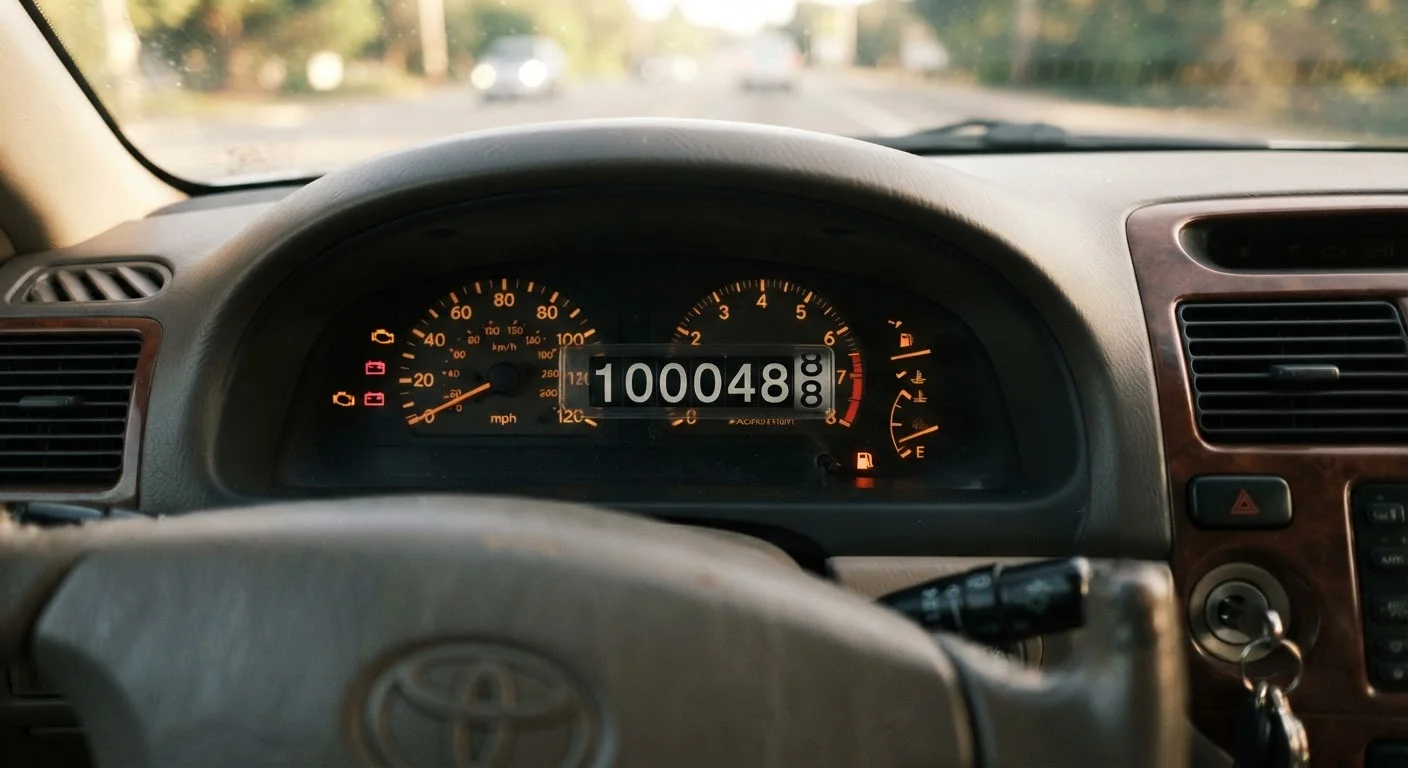
Why 100,000 Miles Is a Critical Threshold
Reaching 100,000 miles is a milestone worth celebrating - it means years of useful service from your vehicle. But it also signals a shift in what your car needs. Components that were well within their design life at 60,000 miles are now approaching or past their typical replacement windows. Rubber degrades, gaskets harden, and fluids accumulate contaminants that wear down internal surfaces faster than in a newer engine.
The good news: most high-mileage failures don't happen without warning. They build gradually, and a disciplined maintenance routine can catch them early. This checklist is designed to help you audit your car's condition and stay ahead of the repairs that tend to blindside owners who treat 100k as just another number.
For context on how service intervals shift as your vehicle ages, see Understanding Your Car's Service Schedule. And if you've been following any old-school maintenance rules, it's worth cross-checking against Car Maintenance Myths That Could Be Costing You Money - some widely repeated advice is simply outdated.
What You'll Need to Work Through This Checklist
Most of these checks require only basic tools and a clean, flat surface. A few items - like a compression test or coolant system pressure test - are best handled by a qualified mechanic. The goal here is to help you assess what's been done, what's overdue, and what to watch closely.
Owner's Manual
Reference your manufacturer's recommended service intervals and fluid specifications for high-mileage guidance.
OBD-II Scanner
Read and clear diagnostic trouble codes to identify any engine or emissions issues before they escalate.
Tread Depth Gauge
Accurately measure tire tread to determine if replacement is due.
Battery Load Tester
Assess the true health of your battery under load - more reliable than a simple voltage check.
Flashlight or Inspection Light
Illuminate engine bay areas, undercarriage, and tight spots when looking for leaks and wear.
Service Logbook or Maintenance App
Track completed services and upcoming intervals to avoid gaps in your maintenance routine.
The High-Mileage Maintenance Checklist
Work through each group in order. Mark items as done, overdue, or unknown - then use that list to prioritize your next shop visit or DIY session. For broader cost context, the Car Costs & Savings hub covers ways to manage ownership expenses as your vehicle ages.
Engine & Fluids
Belts, Hoses & Seals
Brakes & Suspension
Electrical & Battery
Tires & Wheel Care
Don't Confuse a Clean Engine Bay With a Healthy One
A recently detailed engine bay can hide seeping gaskets and cracked hoses that haven't yet made a mess. When inspecting for leaks, look at the underside of hoses, around gasket seams, and beneath the oil pan - not just visible surfaces. If you're unsure whether a stain is fresh or old, clean the area thoroughly, drive the car for a week, then recheck. When in doubt, have a qualified mechanic perform a hands-on inspection.
Turning This Checklist Into an Ongoing Habit
A one-time audit only gets you so far. The vehicles that reliably exceed 150,000 or even 200,000 miles tend to have one thing in common: consistent, documented maintenance. Keep a simple logbook - digital or paper - recording every fluid change, filter swap, and inspection date with the mileage at the time.
That record serves two purposes. First, it prevents items from falling through the cracks during busy stretches. Second, it gives any mechanic or future buyer a clear picture of the car's history, which can directly affect repair quotes and resale value. If you're weighing whether a high-mileage vehicle is still worth the investment, Owning an Older Car: The Financial Trade-Offs Worth Knowing offers a grounded look at the math. For seasonal adjustments to your routine, Seasonal Car Maintenance: Preparing for Winter and Summer Driving covers the weather-specific priorities worth adding to your calendar.