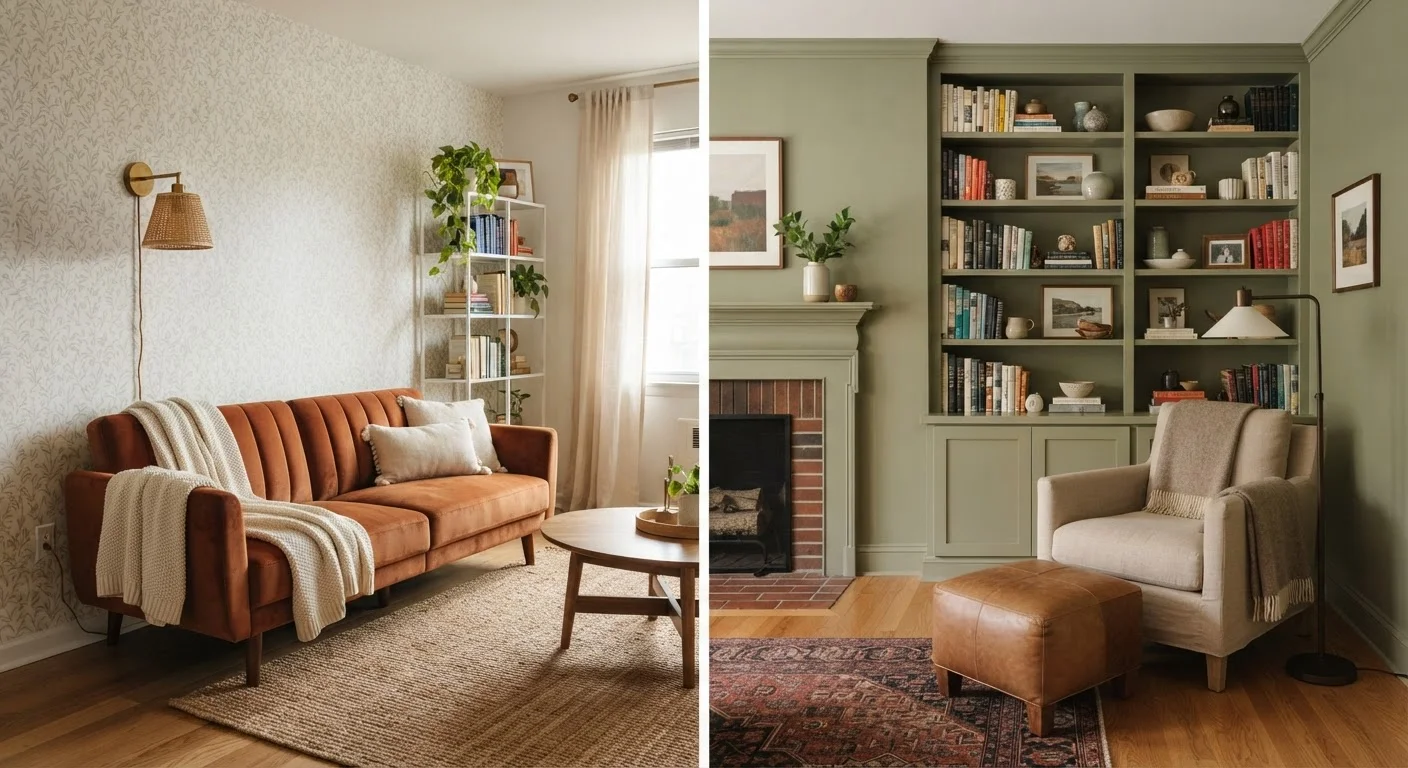
Why Tenancy Status Is a Decorating Constraint, Not Just a Detail
Before you buy a can of paint or hang a shelf, the single most important question is: do you own or rent this space? It's not a philosophical question - it's a practical one with real financial consequences. Lease agreements typically prohibit painting walls, drilling large holes, installing permanent fixtures, or altering flooring without written landlord permission. Violating these terms can result in security deposit deductions or, in serious cases, early termination of your lease.
Homeowners face a different set of limits: budget, time, and in some cases HOA (Homeowners Association) rules or local permitting requirements. Neither situation is without constraints, but the nature of those constraints shapes every decorating decision you make.
For a broader foundation on planning your space affordably, see our end-to-end budget decorating guide, which covers the full process from goal-setting to final styling touches.
The Renter's Toolkit: Reversible and Low-Risk
As a renter, your decorating philosophy should center on one word: reversibility. Every change you make should be undoable before move-out, ideally without a trace.
What renters can confidently do
- Furniture arrangement: The layout of freestanding furniture is entirely yours to control. Strategic placement of sofas, rugs, and shelving units can dramatically change a room's feel without touching a single wall.
- Textiles: Curtains (using tension rods or no-drill brackets), throw pillows, blankets, and area rugs are among the highest-impact, lowest-risk changes available. A well-chosen rug can define a space and add warmth instantly.
- Lighting: Swapping out a landlord's bare-bulb fixtures isn't always permitted, but adding floor lamps, table lamps, and plug-in sconces transforms ambiance at a low cost. Keep the original fixtures stored safely.
- Removable wallpaper and peel-and-stick tiles: The quality of these products has improved substantially. Used carefully on smooth, painted walls, they're genuinely removable - though always test a small patch first and follow manufacturer instructions.
- Command strips and adhesive hooks: Weight-rated adhesive products allow gallery walls and lightweight shelving with minimal wall damage when removed correctly.
For first-time renters just starting out, our guide to styling your first apartment on a shoestring lays out practical room-by-room priorities.
Always Get Landlord Approval in Writing
If your landlord verbally agrees to let you paint a wall or install a light fixture, follow up with an email confirming the details. A written record protects you if there's a dispute at move-out. Keep copies of all correspondence for the duration of your tenancy.
The Homeowner's Advantage - and Its Limits
Ownership opens the door to permanent changes: painting, installing built-in shelving, replacing hardware, refinishing floors, and more. These upgrades can add genuine value to the property and allow a level of personalization that renting simply doesn't permit.
That said, homeowners on a budget still need to prioritize. Not every change is worth the cost, especially if you plan to sell within a few years.
| Renters | Homeowners | |
|---|---|---|
| Wall changes | Removable wallpaper, adhesive hooks only | Paint, wallpaper, built-ins permitted |
| Flooring | Area rugs to cover existing floors | Can refinish, tile, or replace |
| Lighting fixtures | Plug-in lamps; swap cautiously with landlord OK | Can hardwire or fully replace fixtures |
| Storage solutions | Freestanding units and adhesive shelves | Built-in shelving and cabinetry possible |
| Investment horizon | Short-term; focus on portable items | Long-term; permanent upgrades add value |
| Key risk | Security deposit deductions | Permit violations or overcapitalization |
High-impact, lower-cost upgrades worth considering
- Paint: Widely regarded as the highest return-on-investment DIY home improvement. A gallon of interior paint covers roughly 350-400 sq ft and a single weekend's effort can transform a room entirely.
- Hardware swaps: Replacing cabinet pulls, door handles, and light switch covers is inexpensive, requires minimal tools, and has an outsized effect on a kitchen or bathroom's appearance.
- Open shelving: Installing floating shelves requires drilling and wall anchors - something renters can't do freely - but for owners, it adds storage and display space at a modest cost.
Before any structural or electrical work, always verify whether a permit is required in your jurisdiction. Unpermitted work can complicate home sales and may violate local building codes. For straightforward tasks, our DIY home fixes hub covers low-risk repairs and upgrades suitable for most homeowners.
Shared Ground: What Works for Both
Several decorating strategies deliver strong results regardless of whether you rent or own. Focusing your budget here ensures you don't overspend on changes that may not be permitted or practical.
- Layered lighting: Ambient, task, and accent lighting work together to make any room feel intentional. Plug-in options make this accessible to renters; owners can hardwire if they choose.
- Plants: Greenery adds life, texture, and color to any space. Low-maintenance varieties work well even in lower-light apartments.
- Art and mirrors: Leaning large artwork or mirrors against walls avoids drilling entirely and can be just as effective visually.
- Decluttering and editing: No amount of decoration compensates for visual clutter. A well-edited, sparsely accessorized space almost always looks more considered than one that's overcrowded.
If you're questioning which decorating assumptions are actually worth your money, our look at common affordable styling myths separates evidence-backed approaches from persistent misconceptions. And for renters looking to stretch their dollar further on monthly costs, practical utility-saving steps for renters covers changes that don't require landlord approval.