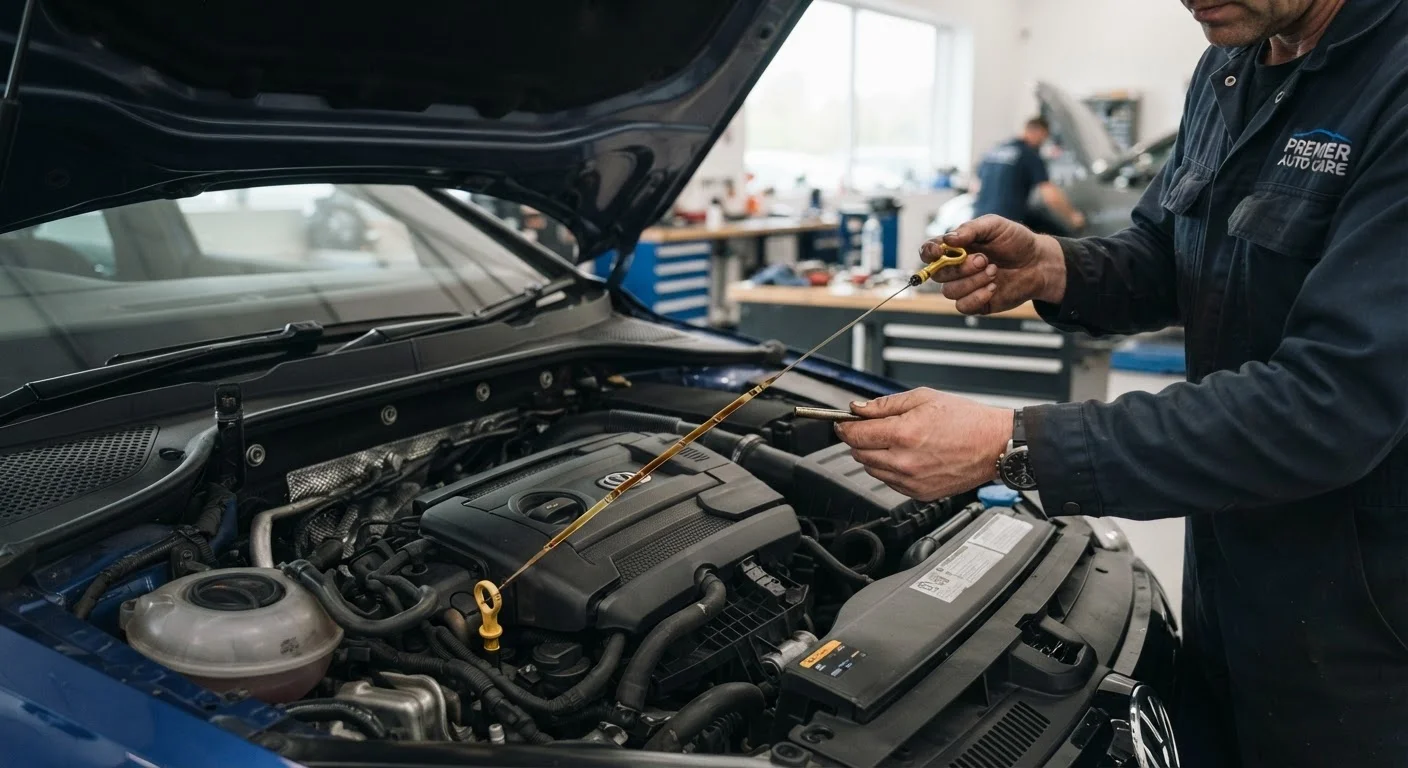
Why Fluid Checks Are Worth Your Time
Most car problems don't arrive without warning - they show up first as low or degraded fluid. Engine oil, coolant, brake fluid, power steering fluid, and windshield washer fluid each play a specific role in keeping your vehicle running safely and efficiently. Letting any of them fall too low - or go too long without replacement - can accelerate wear, trigger dashboard warning lights, and in some cases lead to expensive mechanical failure.
The good news: checking these five fluids is one of the fastest and most cost-effective maintenance habits you can build. It requires no professional training, minimal tools, and about 15 minutes of your time. For a fuller picture of where fluid checks fit in an overall maintenance routine, see our guide to car maintenance on a budget.
What you will need
For a broader look at what basic tools make home maintenance tasks easier and safer, our tools guide for home mechanics is a useful companion read.
Step-by-Step: Checking Each Fluid
Park on level ground and let the engine cool
Pull onto a flat surface and turn off the engine. For engine oil, coolant, and transmission fluid checks, wait at least 5-10 minutes after a short trip - or check first thing in the morning before the car has been started. A level surface ensures fluid sits correctly in reservoirs, giving you an accurate reading.
Check the engine oil
Locate the oil dipstick - typically a brightly colored ring or handle near the engine block. Pull it out fully, wipe it clean with your rag, re-insert it all the way, then withdraw it again. The oil level should sit between the two marks (often labeled MIN and MAX). Note both the level and the oil's color: healthy oil ranges from amber to light brown. Black, gritty, or milky oil is a sign the fluid needs changing or there's a larger issue.
Check the coolant (antifreeze) level
The coolant reservoir is a translucent plastic tank with MIN and MAX lines visible from the outside - you usually don't need to open it. Simply look at where the fluid sits against the marked lines. Coolant should appear bright green, orange, or pink depending on the type your vehicle uses. A low level that keeps recurring may indicate a leak worth investigating.
Check the brake fluid
The brake fluid reservoir sits atop the brake master cylinder, usually at the back of the engine bay on the driver's side. Most reservoirs are translucent, so you can read the level without removing the cap. Fluid should sit between MIN and MAX. Brake fluid is hygroscopic - it absorbs moisture over time - so if yours looks very dark, it may be due for replacement regardless of level. If the level is noticeably low without explanation, have a mechanic inspect your brake system promptly.
Check the power steering fluid
Not all modern vehicles have a traditional power steering fluid reservoir - many now use electric power steering, which requires no fluid. If yours does have a hydraulic system, find the reservoir (often labeled with a steering wheel icon), check the level against the MIN/MAX markings, and note the fluid color. It should appear clear to light amber. Dark or cloudy fluid suggests it may need replacing.
Check the windshield washer fluid
This is the simplest check: locate the washer fluid reservoir (typically marked with a windshield wiper icon) and look at the level. Unlike the other fluids, running low on washer fluid won't damage your car - but it will compromise visibility in rain or dirt conditions. Top it off with a pre-mixed washer fluid rated for your climate; avoid using plain water, which can freeze in winter and promote bacterial growth in the reservoir.
Reading the Results and Knowing When to Act
Once you've completed your checks, take a moment to assess what you found. A low fluid level or discolored fluid isn't always an emergency - but it is information. Use the table below as a quick reference:
| Fluid | Healthy appearance | Act if... |
|---|---|---|
| Engine oil | Amber to light brown, smooth | Level is at or below MIN, or oil appears black and gritty |
| Coolant | Bright green, orange, or pink | Level keeps dropping or fluid looks rusty/cloudy |
| Brake fluid | Clear to light yellow | Level is low without obvious cause, or fluid is very dark |
| Power steering fluid | Clear to light amber | Fluid is dark or you hear whining when turning |
| Washer fluid | Tinted blue or green | Running low - top up as needed |
If a fluid level drops repeatedly after topping it up, that's a signal worth investigating - likely a leak. Before authorizing any shop service based on a fluid issue, it's worth reviewing our checklist for evaluating workshop quotes so you understand exactly what you're paying for.
For guidance on how often each fluid should be replaced - not just monitored - our standard servicing intervals reference provides a useful lookup. And if you've heard conflicting advice about oil change frequency or other fluid-related maintenance, our rundown of common car maintenance myths separates fact from outdated folklore.