Why Brake Wear Costs More Than Most Drivers Expect
Brake pad and rotor replacement is one of the more common - and avoidable - repair expenses drivers face. A full brake job on a typical vehicle can run anywhere from a few hundred dollars to well over a thousand, depending on the vehicle and how much rotor damage has accumulated. What most drivers don't realize is that driving style accounts for a large share of how fast that bill arrives.
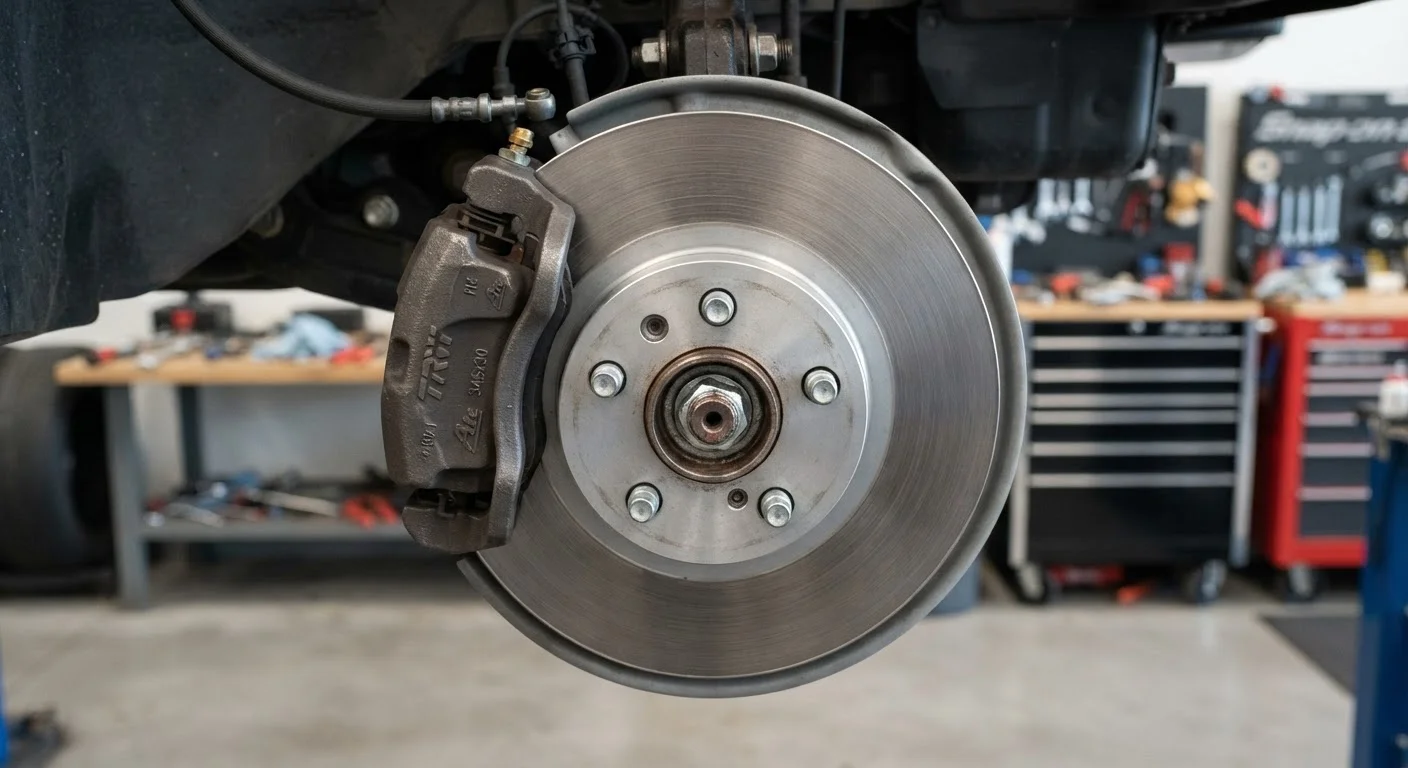
Brakes work through friction: pads clamp onto rotors to slow the vehicle, converting kinetic energy into heat. The harder and more frequently you brake, the faster material wears away. The good news is that deliberate habits - most of them free - can push replacement intervals significantly further out. For a deeper look at where brake care fits into your overall maintenance picture, see our budget maintenance guide.
Best Practices for Protecting Pads and Rotors
The following habits address the most common sources of accelerated brake wear. None require mechanical skill - just awareness behind the wheel and occasional attention during routine inspections.
Brake gradually and early rather than hard and late.
Hard, last-second braking generates intense heat and friction, wearing pads faster and potentially warping rotors over time. Anticipating stops and beginning to decelerate well in advance spreads the energy transfer across more distance and time, reducing peak heat. This one habit alone can meaningfully extend pad life.
Use engine braking when descending hills or slowing from highway speed.
Downshifting to a lower gear (or simply lifting off the throttle in an automatic) allows the engine's compression to slow the vehicle without engaging the friction brakes at all. This is especially valuable on long downhill grades where sustained braking builds dangerous heat.
Remove unnecessary weight from your vehicle regularly.
Heavier vehicles require greater stopping force, which means more friction material consumed per stop. Many drivers carry tools, sports equipment, or cargo long after it's needed, unknowingly raising brake load on every trip.
Maintain safe following distances to reduce panic-braking frequency.
Tailgating forces reactive, hard stops far more often than is necessary. Greater following distance gives you time to brake progressively, reduces the frequency of full stops, and lowers the average heat generated per trip.
Check and flush brake fluid according to your owner's manual schedule.
Brake fluid is hygroscopic - it absorbs moisture from the air over time. Degraded fluid has a lower boiling point, which can cause brake fade under heavy use and corrodes internal caliper and master cylinder components. Keeping it fresh protects the hydraulic system that your pads and rotors depend on.
Inspect pads and rotors visually at each tyre rotation.
Catching uneven wear, scoring, or minimum-thickness conditions early prevents pad material from grinding directly into rotors - a situation that turns a pad replacement into a much more expensive rotor replacement or resurfacing job.
Quick Wins You Can Apply on Your Next Drive
Some of the most impactful brake-saving habits take effect immediately. Start here if you want results without any waiting or spending.
Pairing these driving habits with good tyre care compounds the benefit - properly inflated, well-rotated tyres reduce stopping distances and brake load. Our tyre maintenance guide covers the connection in detail.
When to Stop DIY and Call a Mechanic
Good habits slow brake wear, but they don't eliminate it. Knowing when to hand things off is just as important as knowing how to stretch the intervals.
Have your brakes inspected by a qualified mechanic if you notice any of the following: a grinding or squealing noise when braking, a pulsating or vibrating pedal, a pulling sensation to one side, or a pedal that feels spongy or sinks lower than usual. These are signs that wear or hydraulic issues may have already progressed beyond what observation alone can address.
If your vehicle is accumulating high mileage, brake components deserve extra scrutiny alongside other wear items. Our high-mileage maintenance guide outlines which systems to prioritize as odometer numbers climb.
This article provides general educational information about vehicle maintenance and is not a substitute for advice from a qualified mechanic. Always have brake systems inspected by a licensed professional if you notice changes in braking performance.