Why Food Costs Get Out of Hand Quickly
Food is one of the most variable line items in any travel budget - and one of the easiest to overspend on without realizing it. Three restaurant meals a day in a mid-range city can cost as much as a night's accommodation. The problem usually isn't a single splurge; it's defaulting to convenience when you're tired, hungry, and unfamiliar with the area.
The goal here isn't to survive on crackers or skip meals. (If you're curious why that approach tends to backfire nutritionally, see why skipping meals rarely works.) Instead, the steps below focus on shifting habits so that eating affordably becomes your default - not a daily struggle. For broader principles on keeping all your travel costs in check, practical strategies for keeping travel costs down is worth a read before you leave.
What you will need
Step-by-Step: Building a Low-Cost Eating Routine on the Road
These steps work across most destinations - whether you're in a US city or abroad. Adapt them to local context as needed.
Locate a local market or supermarket on day one
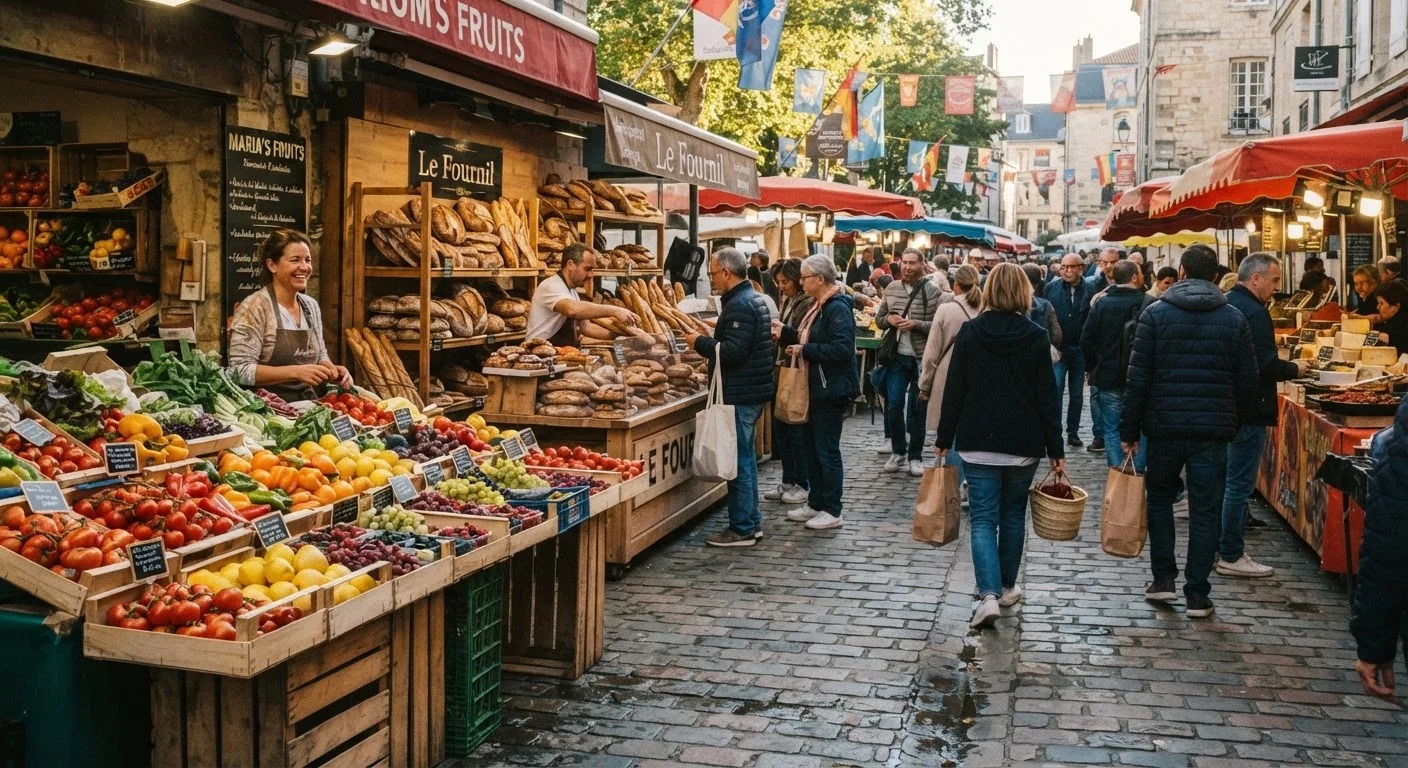
Before you eat your first restaurant meal, walk or search for the nearest market, grocery store, or covered food hall. Stock up on portable, no-prep foods: fruit, nuts, bread, cheese, yogurt, or boiled eggs if available. These become your breakfast and snack layer for the next two to three days, cutting out the two most expensive meal slots without any cooking required.
Make lunch your main meal of the day
In many countries - and even in some US cities - restaurants offer midday specials (prix fixe, lunch sets, or daily menus) that include multiple courses at a fraction of dinner prices. A two-course lunch with a drink at a sit-down restaurant can cost less than a fast-food dinner. Shifting your appetite so that lunch is your largest meal is one of the highest-impact changes you can make to your daily food spend.
Use street food strategically - not as a fallback
Street food is not a compromise. In many destinations it's the freshest, most culturally authentic food available - and often the most affordable. The key is choosing deliberately: look for stalls with high customer turnover, visible cooking, and local patrons rather than tourist signage. For a fuller look at how to evaluate street food quality and safety, see street food safety and savings.
Set a per-day food budget and track it loosely
You don't need a spreadsheet. At the start of each day, pull out cash equivalent to your daily food budget and treat that as your limit. Physical cash makes spending tangible in a way that tapping a card does not. At the end of the day, note roughly how you tracked. Over three to four days, patterns emerge - you'll see clearly which meals cost the most and where the easy savings are.
Plan tomorrow's eating before you're hungry today
The single biggest driver of overspending on food while traveling is decision fatigue. When you're hungry and tired, you default to whatever is immediately in front of you - which in tourist areas is almost always overpriced. Spend two minutes each evening identifying where you'll eat breakfast and lunch the next day. A quick map search or a word with your accommodation host is usually enough to surface better options nearby.
Getting the Most Nutrition from a Tight Food Budget
Spending less doesn't have to mean eating poorly. Markets and local supermarkets tend to stock affordable whole foods - eggs, legumes, seasonal vegetables, bread - that form the backbone of a nutritionally solid diet. For a quick reference on building a balanced plate without rigid rules, that guide covers the fundamentals in plain terms.
If you're relying on street food for protein, protein sources ranked by affordability can help you identify which options actually deliver value. And for a deeper look at how these on-the-road habits translate back home, stretching a daily food budget without eating badly covers the same field-tested logic in a home-base context.
Hydration Costs Add Up Fast
Bottled water purchases are a surprisingly large hidden expense on travel food budgets. A reusable bottle filled from filtered or tap sources - where safe to drink - can save several dollars a day across a longer trip. Always verify whether tap water is safe at your specific destination by checking official local or government health guidance before relying on it.
If your destination is in Southeast Asia, food costs can be dramatically lower than in North America or Western Europe - Southeast Asia on a shoestring breaks down what makes the region so accessible for budget travelers, including food specifically.