More Than a Quick Check - What's Actually Happening
When your vet says it's time for your pet's annual exam, it might feel like a formality - show up, get a vaccine or two, head home. In reality, a thorough wellness visit is a structured, systematic evaluation covering nearly every body system. Understanding what your vet is looking for makes the visit far more useful for you both.
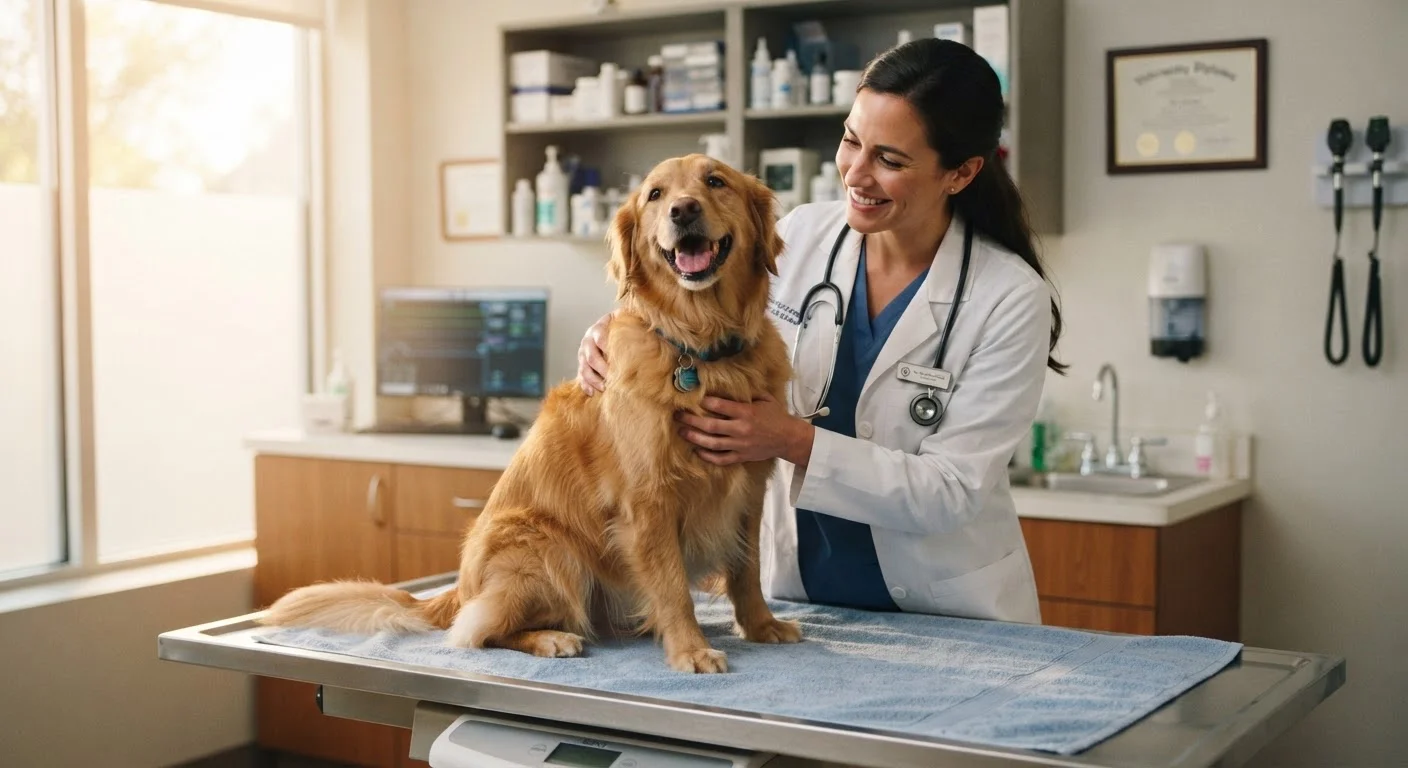
The appointment typically begins with a weight check and body condition score - a standardized way of assessing whether your pet is at a healthy weight for their frame and breed. From there, the physical exam moves head to tail:
- Eyes and ears: Checking for discharge, redness, signs of infection, or early cataracts.
- Mouth and teeth: Assessing tartar buildup, gum inflammation, and tooth integrity. Dental disease is extremely common in pets and often links to broader health issues - see our explainer on pet dental health for more context.
- Heart and lungs: A stethoscope listen for murmurs, arrhythmias, or abnormal breathing sounds.
- Abdomen: Gentle palpation to feel organ size and detect any unusual masses or tenderness.
- Skin and coat: Looking for parasites, lumps, hair loss, or inflammation.
- Lymph nodes and musculoskeletal system: Screening for swelling, pain, or restricted movement.
None of this takes long in an uncomplicated pet - but each step can surface something important that isn't visible to the untrained eye.
Vaccines, Parasite Control, and Preventive Screening
Beyond the physical exam itself, annual visits are when your vet reviews and updates your pet's vaccination schedule. Core vaccines (like rabies and distemper in dogs, or rabies and FVRCP in cats) follow set schedules, while lifestyle vaccines - such as leptospirosis or Bordetella - are recommended based on your pet's environment and exposure risk. For a clear breakdown of how vaccines are sequenced, pet vaccination basics is a helpful starting point.
Your vet will also ask about your current parasite prevention - flea, tick, and heartworm coverage - and may recommend testing. Heartworm testing, for example, is a simple blood draw often performed annually regardless of whether your pet is on monthly prevention, since no preventive is 100% guaranteed and early detection dramatically improves outcomes.
When Bloodwork Becomes Part of the Picture
Basic wellness bloodwork isn't always included in a standard annual exam - your vet will recommend it based on your pet's age and risk factors. For pets over seven years old or those with known health conditions, a chemistry panel and complete blood count are commonly suggested as part of routine monitoring. Ask your vet what's included in your visit and what might be recommended as an add-on, so you can plan accordingly.
For older pets and those at higher risk, your vet may suggest a basic wellness bloodwork panel - typically a complete blood count (CBC) and chemistry profile - to screen kidney, liver, and thyroid function. This adds to the visit cost but provides a baseline that's genuinely useful over time.
Why the Conversation Is Just as Valuable as the Exam
One underappreciated part of the wellness visit is the discussion. Vets aren't just assessing your pet physically - they're gathering history. Changes in drinking, urination, appetite, energy, or behavior that you've noticed at home are clinical clues. So is what you're feeding, how much exercise your pet gets, and whether you've seen any limping or coat changes.
This is your chance to ask questions without the stress of an emergency or sick visit. Behavior concerns, nutrition questions, upcoming travel - bring all of it. A good wellness visit is a partnership, not a transaction.
Annual exams also give your vet a longitudinal view of your pet's health. A single weight measurement means little; a trend over three or four years is meaningful data. The same is true for heart sounds, kidney values in bloodwork, or the progression of dental tartar. That continuity is part of what makes routine care so valuable. For a full picture of how care shifts as pets age, our article on health changes in aging pets covers what to expect over time.
Ultimately, the annual wellness exam is one of the most concrete things you can do for your pet's long-term health. If you want to build on these habits, our guide to preventive pet health habits covers the routines that keep costs manageable between visits too.
This article is for general informational and educational purposes only and does not constitute veterinary advice. Always consult a licensed veterinarian for guidance specific to your pet's health needs.