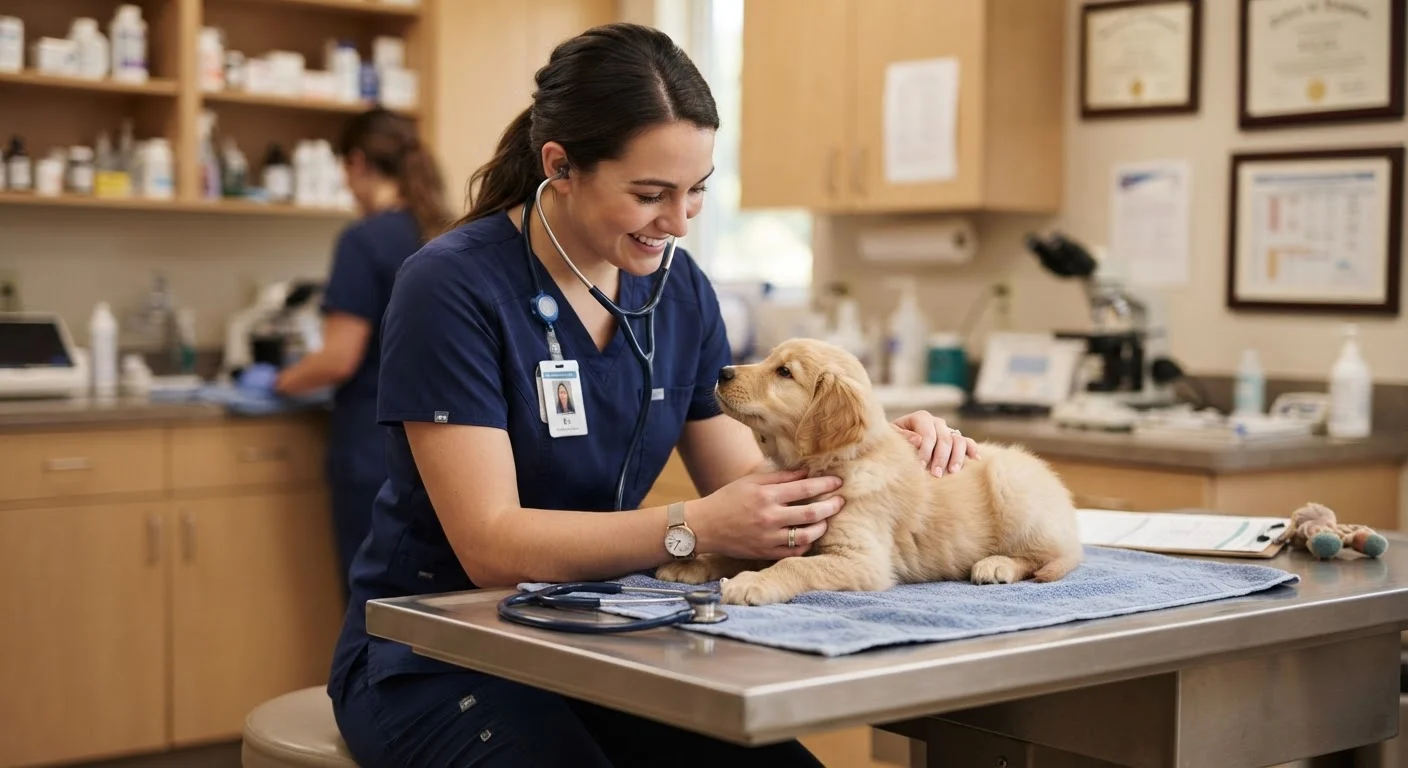
Why Vaccinations Matter From Day One
Bringing a new pet home is exciting - and a little overwhelming. Among the first decisions you'll face is getting your animal vaccinated, and for good reason. Vaccines train your pet's immune system to recognize and fight specific infectious diseases before those diseases ever show up. Without that preparation, young animals in particular are highly vulnerable.
Puppies and kittens are born with some temporary protection passed through their mother's antibodies, but that immunity fades within the first weeks of life. Once it does, your pet is essentially unprotected unless vaccinated. Diseases like canine parvovirus, feline panleukopenia, and rabies can be life-threatening - and entirely preventable with the right shots at the right time.
If you're still planning for all the early costs of pet ownership, our guide to first-time pet ownership on a budget covers how to plan for vet expenses without being caught off guard. Vaccinations are an investment in long-term health - and often far less costly than treating the diseases they prevent.
This article is general health information for educational purposes and is not a substitute for advice from a licensed veterinarian. Always consult a vet for guidance specific to your pet.
Core vs. Non-Core Vaccines: What's the Difference?
Core vaccine
A vaccine recommended for all pets of a given species because it protects against diseases that are widespread, serious, or transmissible to humans.
Non-core vaccine
A vaccine given selectively based on a pet's individual risk factors, such as lifestyle, geographic location, or exposure to other animals.
Maternal antibodies
Temporary immune protection passed from a mother to her offspring at birth or through nursing, which fades in the first weeks of life.
Booster shot
A follow-up dose of a vaccine given after the initial series to maintain or renew a pet's immune protection over time.
Titer testing
A blood test that measures the level of antibodies in a pet's blood to help determine whether they still have immunity to a specific disease.
Not every vaccine is recommended for every pet. Veterinary guidelines separate vaccines into two categories: core and non-core.
Core vaccines are considered essential for all pets of a given species, regardless of lifestyle. They protect against diseases that are highly contagious, severe, or - like rabies - transmissible to humans. For dogs, core vaccines typically include rabies, distemper, parvovirus, and adenovirus (often combined in a single shot called DHPP). For cats, core vaccines generally include rabies, feline herpesvirus, calicivirus, and panleukopenia (combined in an FVRCP shot).
Non-core vaccines are recommended selectively based on your pet's risk factors - where you live, whether your dog visits dog parks, whether your cat goes outdoors, and so on. Examples include the Bordetella (kennel cough) vaccine for dogs or the feline leukemia (FeLV) vaccine for cats with outdoor access.
Your veterinarian is the right person to assess which non-core vaccines make sense. There's no universal answer - it depends entirely on your pet's individual lifestyle and your region's disease patterns.
Puppy and Kitten Vaccine Schedules Explained
Young animals need a series of vaccines, not just one shot, because their developing immune systems require repeated exposure to build reliable protection. A single dose during early weeks may be partially blocked by remaining maternal antibodies, so the series ensures at least some doses reach a fully receptive immune system.
Typical puppy schedule
- 6-8 weeks: First DHPP combination vaccine
- 10-12 weeks: Second DHPP; Bordetella if recommended
- 14-16 weeks: Third DHPP; Rabies (required by law in most states)
- 12-16 months: Boosters to transition into adult schedule
Typical kitten schedule
- 6-8 weeks: First FVRCP combination vaccine
- 10-12 weeks: Second FVRCP; FeLV if recommended
- 14-16 weeks: Third FVRCP; Rabies
- 12-16 months: Boosters
These are general frameworks - your vet may adjust timing based on your pet's specific health status, weight, and local disease prevalence. Schedules for adult rescues with unknown histories will differ and should be discussed directly with your vet.
What to Expect at Your Pet's First Vet Appointment
Bring a Comfort Item to the Clinic
First vet visits can be stressful for young animals unfamiliar with new smells and handling. Bringing a familiar blanket or toy can help your pet feel more settled. Keeping your own energy calm and reassuring also makes a measurable difference - pets pick up on owner anxiety quickly.
Your pet's first vet visit is about more than just shots. The veterinarian will conduct a full physical examination - checking eyes, ears, teeth, heart, lungs, abdomen, and coat condition - before administering any vaccines. This exam helps identify health issues that might affect how vaccines are given or timed.
Bring any records you received from a breeder, shelter, or rescue, even if they're incomplete. Your vet will review what's been done and what's still needed. If your pet hasn't had any vaccines yet, the vet will build a plan from scratch.
After vaccines are given, you'll typically be asked to wait 15-20 minutes at the clinic so staff can monitor for any immediate reactions. Most pets do fine - perhaps a little tired or sore - but it's good practice. Plan to keep the rest of that day calm and low-key for your animal.
For a deeper look at what a routine wellness visit covers beyond vaccinations, see our article on what your pet's annual vet visit actually covers. It's a helpful read before you walk through that clinic door for the first time.
Boosters, Records, and Staying on Track
Vaccination isn't a one-and-done event. Even after your pet completes their initial series, booster shots are necessary to maintain immunity over time. How often depends on the vaccine: some are given annually, others every three years. Rabies booster intervals are also governed by state and local law, so your vet will account for that in the schedule they recommend.
Keeping organized records matters more than many new owners realize. Boarding facilities, groomers, dog parks, and travel across state lines may all require proof of vaccination - particularly for rabies and Bordetella. Ask your vet for a printed or digital copy of your pet's vaccine history after each visit and store it somewhere accessible.
Setting calendar reminders for upcoming boosters is a simple habit that prevents gaps in protection. Many vet practices also send reminders by text or email, but don't rely solely on that. Our annual pet health checklist is a practical tool for tracking vaccines alongside other routine care like parasite prevention and dental checks.
If cost is a concern, ask your veterinary office about payment plans or whether low-cost vaccine clinics in your area are a viable option for core shots. Being proactive and consistent with your pet's vaccine schedule is one of the most impactful things you can do for their long-term wellbeing - and your peace of mind.