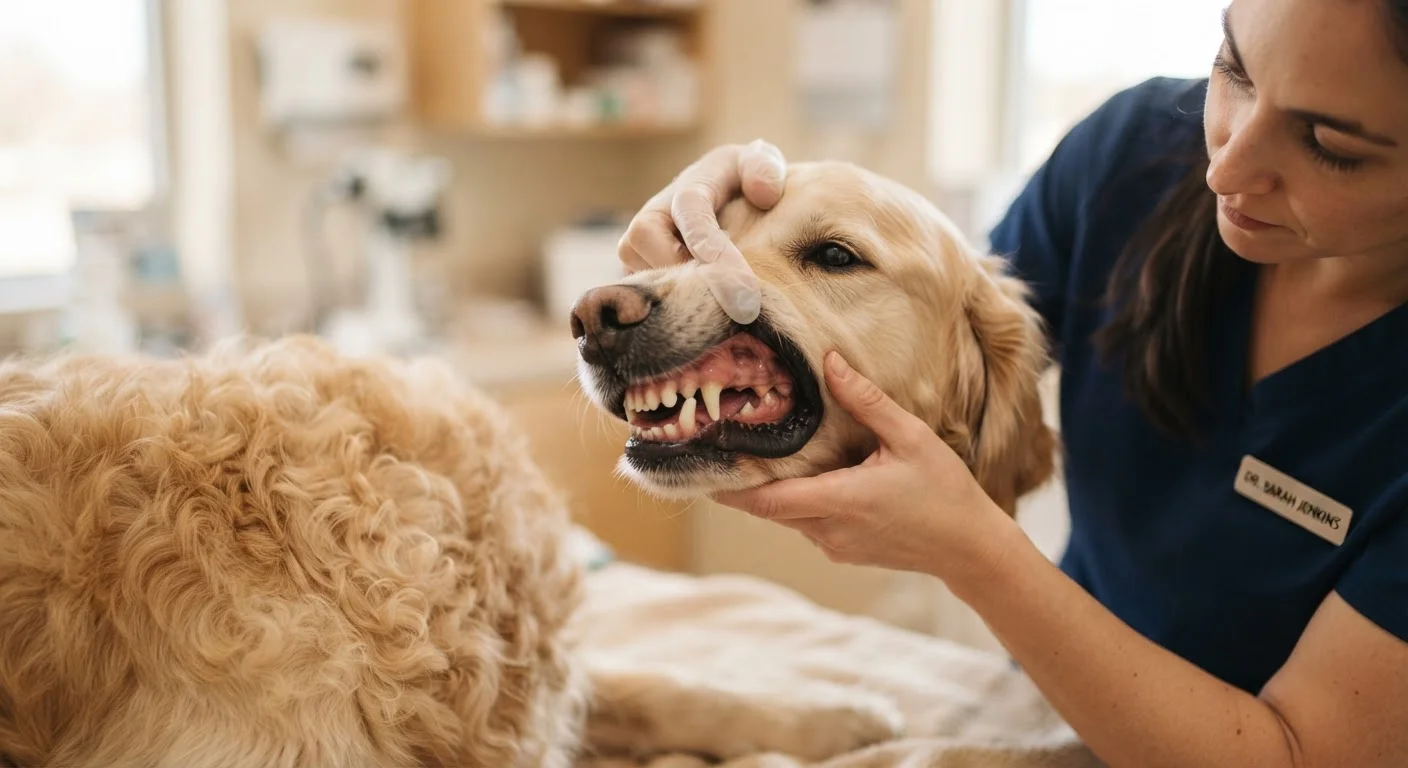
Why Dental Health Gets Ignored - And Why That's Costly
Ask most pet owners what health basics they focus on and you'll hear: vaccines, parasite control, nutrition. Dental care rarely makes the top of the list. Partly it's because pets don't complain about toothaches the way people do - animals instinctively mask discomfort, making oral pain easy to miss. Partly it's because teeth don't feel as urgent as a limping leg or a persistent cough.
But the numbers tell a different story. Veterinary estimates consistently suggest that the majority of dogs and cats over age three already have some form of dental disease. That's not a minor footnote - it's a near-universal condition hiding in plain sight, and one that quietly escalates when left alone.
The financial case is just as compelling. Treating advanced periodontal disease, infected teeth, or organ complications tied to oral bacteria costs significantly more than routine preventive care. As we explore in our guide to preventive pet health habits, consistent upkeep nearly always costs less than emergency intervention.
~80%
Dogs with dental disease by age 3
Veterinary industry estimates suggest approximately 80% of dogs show signs of periodontal disease by their third birthday.
~70%
Cats with dental disease by age 3
Similar estimates apply to cats, making dental disease the most commonly diagnosed health condition in companion animals.
Stage 1-4
Severity scale for periodontal disease
Veterinary dental classification uses a four-stage scale; only Stage 1 (gingivitis) is considered fully reversible with treatment.
What's Actually Happening Inside Your Pet's Mouth
It starts with plaque - a sticky film of bacteria that forms on teeth after every meal. In people, we brush and floss it away daily. In most pets, it accumulates. Within days, plaque mineralizes into tartar (also called calculus), a hardened deposit that bonds firmly to enamel and creeps below the gumline.
Once bacteria reach beneath the gums, they trigger inflammation - gingivitis - which, at this stage, is still reversible with professional cleaning and better home care. Without intervention, the disease advances into periodontal disease, destroying the ligaments and bone that anchor teeth. At this point, the damage is permanent.
What makes this especially dangerous is what happens next. Inflamed, broken gum tissue acts as an entry point for bacteria into the bloodstream. From there, those bacteria can reach the heart, kidneys, and liver - organs that have no natural defense against oral pathogens. Veterinary research has identified associations between severe periodontal disease and heart valve disease and kidney damage in pets, though the precise mechanisms are still being studied.
The Pillars of Routine Pet Dental Care
Effective dental care for pets has two main components: what you do at home and what a veterinarian does in the clinic.
At-Home Brushing
Daily tooth brushing with pet-safe toothpaste is the most effective at-home intervention available. It doesn't require expensive equipment - a soft-bristled brush or finger brush works well. The goal is mechanical disruption of plaque before it hardens. Start slowly, especially with resistant animals, and work up to a consistent routine. Cats and small dogs can take weeks to become comfortable; patience matters more than perfection.
Supplemental Aids
Dental chews, water additives, and specially formulated diets can complement brushing but shouldn't replace it. Look for products carrying the Veterinary Oral Health Council (VOHC) seal, which indicates the product has passed controlled studies demonstrating measurable plaque or tartar reduction.
Professional Veterinary Cleanings
Even diligent at-home care can't eliminate all buildup, particularly below the gumline. Professional cleanings performed under general anesthesia allow veterinarians to scale and polish all tooth surfaces, probe the gum pockets, and take dental X-rays to assess bone health. These cleanings are typically recommended once a year or more depending on your pet's breed, age, and disease history. Your vet can help determine the right frequency. See what a routine vet visit covers for more context on annual wellness care.
Breed, Age, and Risk Factors That Change the Picture
Not all pets face equal dental risk. Smaller dog breeds - including Chihuahuas, Yorkshire Terriers, and Dachshunds - tend to develop periodontal disease more aggressively because their teeth are crowded into smaller jaws. Flat-faced (brachycephalic) breeds like Pugs and Persian cats face similar crowding issues. Senior pets carry more cumulative disease burden simply from years of exposure.
Age is the single biggest risk multiplier. A pet that hasn't had regular dental care by age five or six may already have significant underlying disease - which is why starting early matters. Building dental habits into a younger pet's routine is far easier than managing advanced disease later on.
For a broader look at where dental care fits within annual pet health responsibilities, the budget-friendly pet owner's annual health checklist is a practical starting point.
Start Dental Habits Early - It's Easier
Puppies and kittens adapt to tooth brushing far more readily than adult pets who've never experienced it. Even if your pet is older, gradual desensitization - starting with just touching the muzzle and lips - can build tolerance over time. Consistency matters more than technique in the early stages.
This article is for general informational and educational purposes only and does not constitute veterinary medical advice. Always consult a licensed veterinarian regarding your pet's specific health needs.