Why Mexico's Non-Resort Regions Offer a Different Cost Structure
Cancún and Los Cabos exist within a pricing ecosystem largely disconnected from the rest of Mexico. All-inclusive resorts, international hotel chains, and tourism infrastructure built around US spending norms push costs toward what visitors pay at home - sometimes higher. Inland and off-corridor Mexico operates on a different economy entirely, one where accommodation, food, and transport are priced primarily for domestic travelers and local residents.
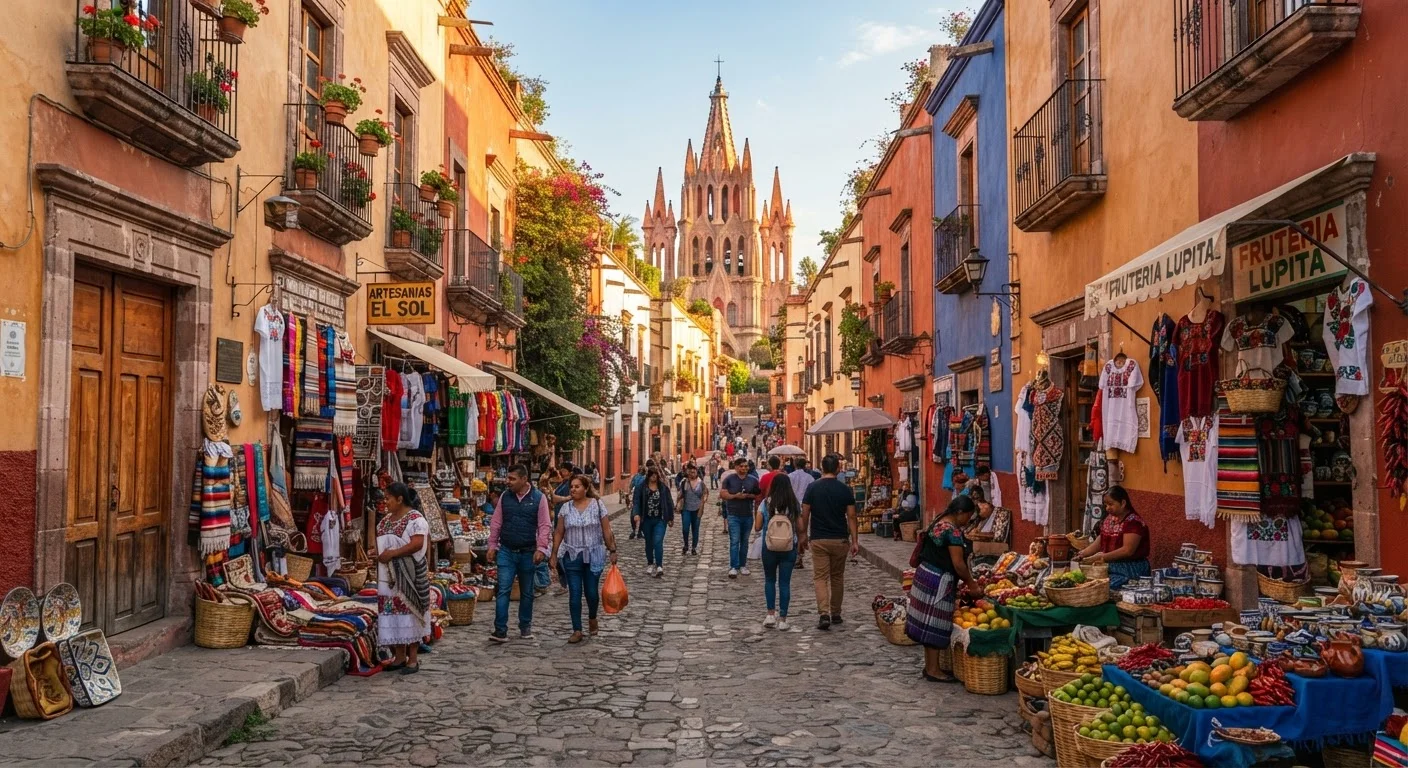
This isn't a hidden secret - it's a structural difference that shows up consistently in spending data from long-term travelers. Daily costs in Oaxaca city or Valladolid are routinely reported at roughly a third to half of what comparable days cost in Cancún's hotel zone, with the gap widest at the food layer. The cultural dimension is equally significant: the Oaxacan food scene, the indigenous weaving and pottery traditions of the Tlacolula Valley, and the colonial architecture of Mérida represent experiences that resort corridors simply don't offer.
The approach below follows a practical sequence: pick a region, time your trip, and spend within local rather than tourist infrastructure. For context on how destination cost assumptions can mislead, see our guide to evaluating true destination costs before you start comparing flight prices.
What you will need
Planning Your Route and What to Expect on the Ground
The step-by-step process below applies most directly to Oaxaca state and the inland Yucatán, the two regions with the most established infrastructure for independent travelers operating on modest budgets. Pacific coast villages are feasible but require more flexibility - transport connections are less frequent, and some stretches involve longer travel times than maps suggest.
Choose a Region Based on Your Priorities
Three regions consistently offer lower daily costs alongside genuine cultural substance: Oaxaca state (food, indigenous crafts, archaeological sites), the inland Yucatán (colonial cities, cenotes, Mayan ruins without beach-town pricing), and the Pacific coast villages of Oaxaca and Guerrero states (surf culture, low-key fishing towns, affordable seafood). Each has a distinct character. Oaxaca city works as a base for day trips to Monte Albán and the Tlacolula Valley markets. Mérida, Valladolid, and Izamal in the Yucatán sit within reach of major Mayan sites without commanding Tulum or Cancún rates. Pacific towns like Puerto Escondido or Mazunte attract long-stay travelers specifically because daily costs stay manageable week after week.
Before committing, read how to evaluate the true cost of a destination - headline room rates don't capture transport, food, and activity costs, which vary dramatically by region.
Plan Around Shoulder Season
Mexico's peak domestic travel periods - Semana Santa (Holy Week before Easter), mid-July through August, and the December holiday stretch - push accommodation prices up across popular towns, including those usually considered budget-friendly. Shoulder windows generally run from late January through March and late September through November, when crowds thin and guesthouses are more likely to negotiate weekly rates. In Oaxaca specifically, the Día de los Muertos period in late October and early November draws significant visitor numbers and raises prices locally, though it also represents one of the most culturally significant events you can attend.
Structure Your Daily Spending Around Local Infrastructure
The gap between resort-corridor costs and inland costs is widest at the food and transport layer. In Oaxaca city, a comida corrida (set lunch) at a market stall typically costs a fraction of a restaurant meal marketed to tourists. Mercado 20 de Noviembre and the Tlacolula Sunday market operate primarily for local shoppers and reflect local pricing. For transport, colectivos connect most Oaxacan towns and Yucatán villages reliably and affordably.
[tip_callout]Accommodation savings are real but smaller in percentage terms. A mid-range guesthouse in Valladolid or Oaxaca city will cost less than a comparable room in Playa del Carmen, but the bigger leverage comes from eating and moving like a local rather than within tourist infrastructure.
Build Itineraries That Use One Base Town
Frequent intercity moves add up quickly in both cost and energy. A more efficient structure picks one base - Oaxaca city, Mérida, or a Pacific town - and uses day trips or overnight loops to access surrounding sites. From Oaxaca city, Monte Albán, Hierve el Agua, Mitla, and multiple craft villages are reachable by colectivo or shared tour. From Mérida, Chichén Itzá, Uxmal, and multiple cenote zones are day-trip distance. This approach also reduces accommodation turnover costs and lets you negotiate better weekly guesthouse rates.
Verify Logistics and Safety for Each Specific Stop
Mexico is a large, diverse country and conditions - infrastructure quality, safety, transport options - vary at the state and municipal level, not just nationally. Before finalizing your route, check the U.S. State Department advisory for each specific state, not just Mexico overall. Review health entry requirements and any vaccination recommendations with the CDC's traveler health resources. Confirm colectivo routes and schedules locally upon arrival, since published timetables are often outdated. For anything safety- or entry-related, treat official government sources as the authoritative reference.
[important_callout]If you find the Mexico planning process useful and want to apply similar frameworks regionally, Central America's overlooked budget countries follow comparable logic - one anchor city, local transport, and market-based food spending drive the difference between a costly and an affordable trip.
If you're weighing Mexico against other regional options, Central America's overlooked countries apply a similar cost-structure logic and may suit travelers who want to extend their trip south. For broader trip cost management strategies, practical strategies for keeping travel costs down covers the trade-off decisions that matter most across any destination.
This article provides general travel information for educational purposes only. Prices, safety conditions, entry requirements, and transport availability change frequently. Always verify current details with official government sources - including the U.S. Department of State and the CDC - before making travel decisions.