The Core Biological Difference
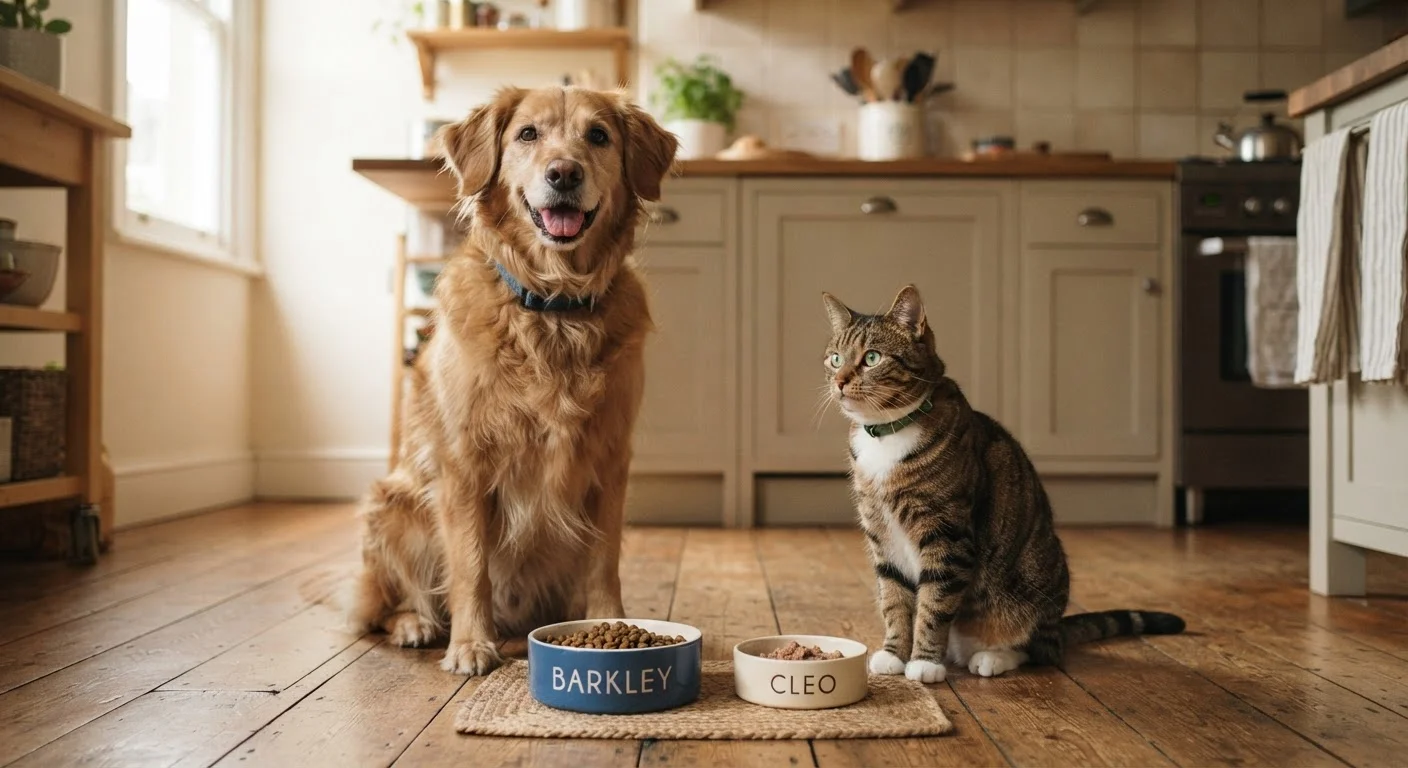
Dogs and cats may share your couch, but their digestive systems are built around very different evolutionary diets. Dogs are omnivores - they evolved eating a varied diet of meat, plants, and grains. Cats, on the other hand, are obligate carnivores, meaning their bodies are physiologically dependent on nutrients found only in animal tissue.
This isn't a minor nutritional footnote. Cats lack certain metabolic pathways that dogs (and humans) use to synthesize key nutrients from plant sources. For example, cats cannot convert beta-carotene into vitamin A, cannot produce adequate taurine (an amino acid critical for heart and eye function), and have a limited ability to metabolize carbohydrates efficiently. Dog food formulas are simply not built to fill these gaps - and that's where the real risk begins.
| Criterion | Dog Food | Cat Food |
|---|---|---|
| Primary dietary category | Omnivore-formulated | Obligate carnivore-formulated |
| Taurine content | Not always sufficient for cats | Required and regulated |
| Protein levels | Moderate | High (animal-sourced) |
| Fat content | Moderate | Generally higher |
| Vitamin A source | May include beta-carotene | Must include preformed vitamin A |
| Carbohydrate tolerance | Can metabolize more readily | Limited carbohydrate metabolism |
| Safe for the other species? | Harmful to cats long-term | Too rich for dogs long-term |
What Happens When Cats Eat Dog Food
If a cat eats dog food occasionally and accidentally, it's unlikely to cause lasting harm. The problem is habitual feeding. Dog food is lower in the animal-sourced protein and specific amino acids cats need. Over time, a cat eating dog food as a primary diet faces a genuine risk of taurine deficiency, which is linked to dilated cardiomyopathy (a serious heart condition) and retinal degeneration - both of which can be irreversible.
Dog food also tends to be lower in arachidonic acid and vitamin A in their preformed, bioavailable state - nutrients cats must obtain directly from food. Deficiencies here can affect skin health, immune function, and overall organ performance. This is why cat food manufacturers are required to meet nutritional standards specifically for cats - standards that dog food simply doesn't need to meet.
~90%
Of taurine in cats' diets must come from food
Unlike dogs, cats have very limited ability to synthesize taurine internally, making dietary sources essential, according to veterinary nutrition research.
3rd most common
Cause of heart disease in cats
Taurine-deficient dilated cardiomyopathy has been identified as a significant nutritional cause of feline heart disease in veterinary cardiology literature.
~59%
Of US dogs are overweight or obese
According to the Association for Pet Obesity Prevention's national surveys, well over half of US dogs are carrying excess weight - making calorie-dense cat food especially risky.
If you have cats at home and want to understand how their environment interacts with their health, see our guide on indoor vs. outdoor cats for more context on species-specific care.
What Happens When Dogs Eat Cat Food
For dogs, the risk runs in the opposite direction. Cat food is significantly higher in protein and fat than most dogs require - a formulation designed to meet cats' needs, not dogs'. A dog regularly eating cat food may experience digestive upset (vomiting, diarrhea), and over time, the excess calories and fat can contribute to obesity and pancreatitis, a painful and potentially serious inflammation of the pancreas.
Dogs with pre-existing kidney or liver conditions face additional concerns, as high protein intake can place extra strain on those organs. Even healthy dogs who eat cat food long-term may develop issues that only become apparent at a veterinary check-up. For more on why pet weight problems are more complex than they appear, our article on why so many pets are overweight breaks down the contributing factors.
Practical Tips for Multi-Pet Households
Keeping a dog and cat from stealing each other's meals is one of the most common challenges in multi-pet homes. Here are some approaches that tend to work:
- Feed in separate rooms with doors closed during mealtimes.
- Use elevated feeding stations - cats can jump to a counter or shelf where most dogs can't reach.
- Stick to scheduled mealtimes rather than free-feeding, so food isn't left out between meals.
- Pick up bowls immediately after eating to remove the temptation entirely.
If you're rethinking your pets' food options more broadly, our homemade vs. store-bought pet food comparison weighs the real trade-offs of both approaches. And if you've heard the claim that cheaper food is always inferior, our piece on budget pet food myths offers a more nuanced look at what the evidence actually says.
AAFCO Nutritional Standards Differ by Species
In the US, the Association of American Feed Control Officials (AAFCO) sets separate nutritional profiles for dogs and cats. A food labeled 'complete and balanced' for dogs meets canine standards - not feline ones. Always check that your pet's food carries an AAFCO statement specifying the correct species and life stage. When in doubt, your veterinarian is the best resource for evaluating specific food choices.
This article is for general informational purposes only and is not a substitute for professional veterinary advice. Always consult a licensed veterinarian before making changes to your pet's diet or if you have concerns about their health.