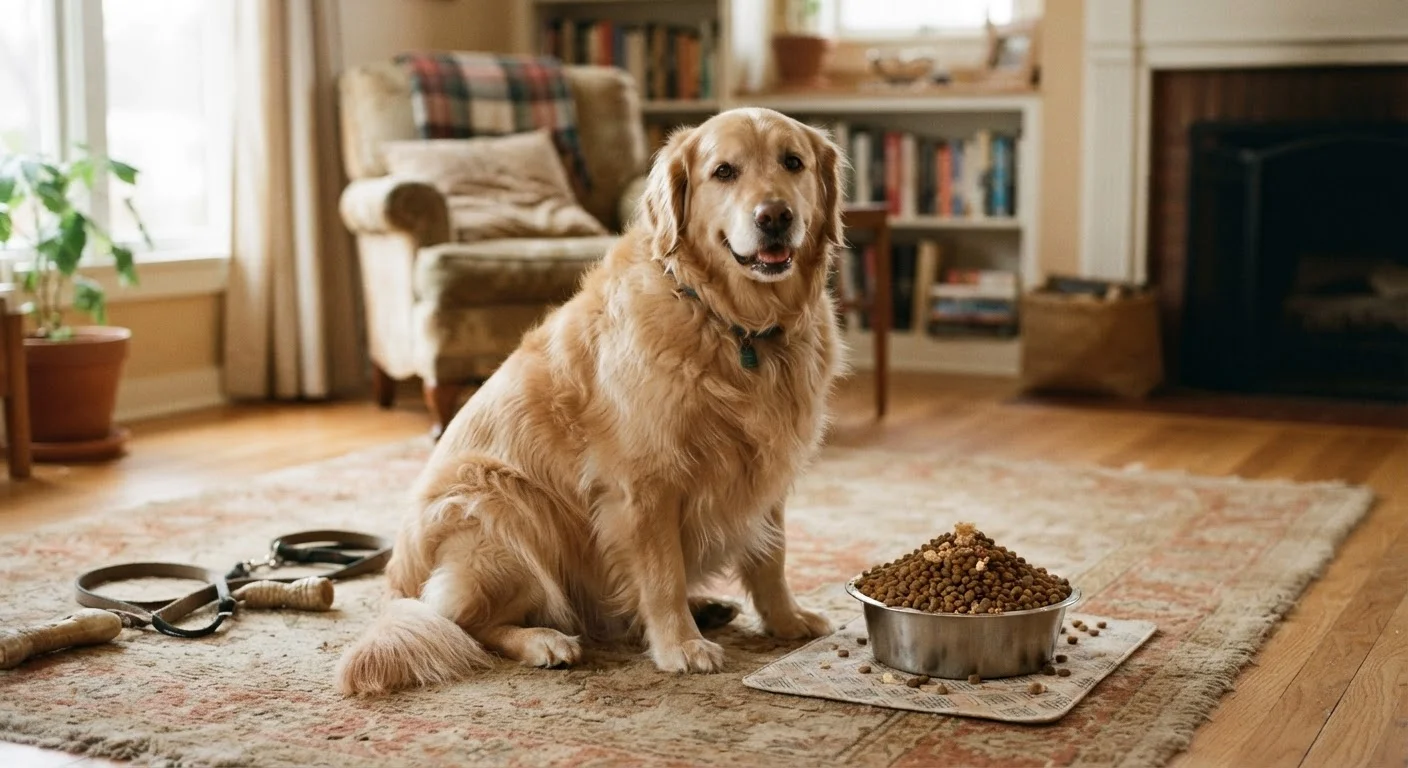
Pet Obesity Is More Common Than Most Owners Realize
Studies from veterinary associations consistently estimate that over half of US dogs and cats are overweight or obese. That's a striking number - and yet most owners are genuinely surprised when a vet flags their pet's weight at a routine checkup. The gap between perception and reality is real, and it matters. Carrying excess weight puts pets at higher risk for joint disease, diabetes, heart problems, and a shorter lifespan.
This isn't about blame. Most of the habits that lead to pet obesity come from a place of love and care - generous feeding, frequent treats, and cozy indoor lifestyles. But good intentions don't cancel out caloric math. Understanding what's actually driving the problem is the first step toward addressing it. As always, your veterinarian is the right partner for any weight management conversation specific to your pet.
For a broader look at what responsible care involves day to day, our full responsible pet ownership guide covers the essentials.
Common Mistakes That Quietly Add Pounds
The habits below aren't dramatic failures - they're easy, understandable errors that accumulate over time. Recognizing them is what makes the difference.
Eyeballing portion sizes instead of measuring food.
Why it happens: Feeding by feel is intuitive and quick, and bag guidelines are easy to misread or ignore entirely. Most owners consistently pour more than the recommended amount without realizing it.
Underestimating how much treats contribute to daily calorie intake.
Why it happens: Treats feel separate from 'real' food, so owners rarely factor them into a pet's total daily calories. Multiple small treats throughout the day can easily add up to 20-30% of a small pet's caloric needs.
Feeding multiple household members without coordinating, leading to double-feeding.
Why it happens: In multi-person households, pets are experts at appearing hungry to whoever walks by. Without communication, the same pet may be fed by two or three family members in a single morning.
Assuming a low-activity lifestyle is fine because the pet seems content.
Why it happens: Many indoor pets, especially cats, appear relaxed and comfortable - which owners interpret as happiness rather than under-stimulation. Reduced movement is also easy to miss in dogs as they age.
Ignoring gradual weight gain because the change is slow.
Why it happens: A pound gained over six months is nearly invisible to someone who sees a pet every day. Owners often only notice when a vet points it out, by which time the pet may already be significantly overweight.
If you're also navigating pet care on a tight budget, our comprehensive budget pet health guide addresses how to maintain good nutrition and preventive care without overspending.
What You Can Do Right Now
Don't Start a Diet Without Veterinary Input
Restricting a pet's food too aggressively - especially in cats - can cause serious health complications, including a potentially life-threatening liver condition called hepatic lipidosis. Any caloric reduction for an overweight pet should be gradual and guided by a licensed veterinarian who can set safe, appropriate targets for your specific animal.
Start with a vet visit if you suspect your pet is overweight. Your vet can assess body condition using a standardized scoring system and rule out thyroid issues, hormonal imbalances, or other medical causes before attributing weight gain purely to diet and lifestyle.
From there, practical steps include switching to measured, consistent portions using a kitchen scale or measuring cup, auditing treat frequency, and building more intentional movement into your pet's day - whether that's structured walks, play sessions, or puzzle feeders that slow eating and encourage activity.
It's worth knowing that not all affordable pet foods are nutritionally inferior. Common myths about budget pet food are worth unpacking before making any feeding changes. And if you're reviewing where your pet care dollars go overall, this look at where budget-conscious owners tend to overspend may surface some useful patterns.
This article is for general informational purposes only and is not a substitute for professional veterinary advice. Always consult a licensed veterinarian before making changes to your pet's diet or care routine.