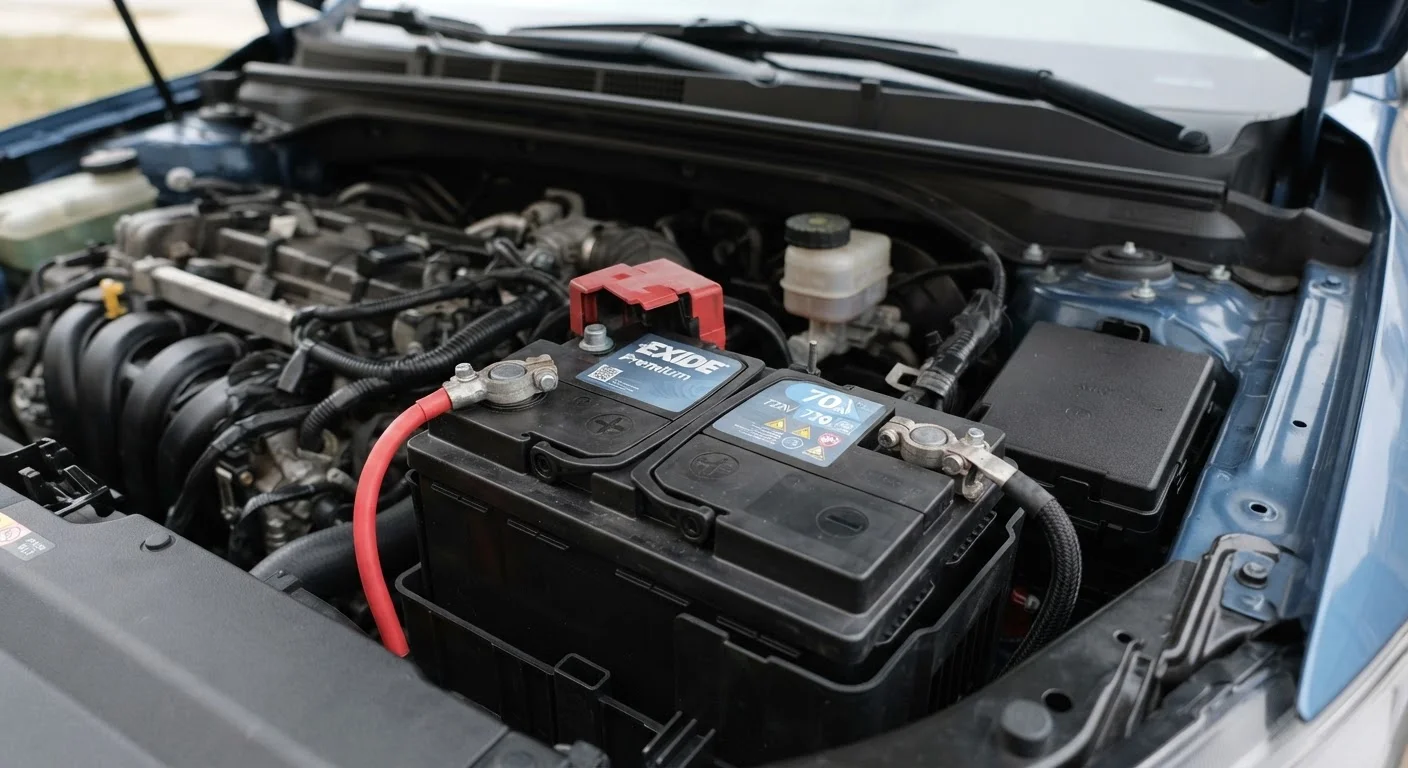
The Most Common Causes of Battery Drain
Battery problems rarely appear without warning signs, but the causes aren't always obvious. Understanding what pulls charge from your battery - both when you're driving and when the car sits idle - gives you a real shot at preventing a dead start.
Leaving accessories running: Interior lights, phone chargers left plugged into USB ports or 12-volt outlets, and even small LED indicators draw power continuously. Leaving a dome light on overnight is enough to drain many batteries completely.
Parasitic electrical draws: These occur when a component keeps drawing current after the ignition is off. A failing body control module, an aftermarket alarm wired incorrectly, or a stuck relay can each create an invisible drain that flattens your battery over days. If your battery keeps dying for no apparent reason, this is a likely culprit - one that a mechanic can diagnose with a simple current draw test.
A weak or failing alternator: The alternator recharges the battery while the engine runs. If it's underperforming, the battery slowly depletes during normal driving. Dim headlights, flickering gauges, or a battery warning light are signs worth investigating promptly. As covered in our guide on why skipping minor maintenance often leads to major repair bills, ignoring early electrical warning signs often turns small issues into expensive ones.
Age and internal degradation: Every charge-discharge cycle slightly reduces a battery's capacity. After three to five years, most batteries hold noticeably less charge than when new, even if they haven't fully failed yet.
Check Before You're Stranded
If your car cranks slowly in the morning or you've noticed accessories behaving oddly, don't wait for a full failure. Many auto parts stores will test your battery at no charge using a load tester. Getting ahead of a weak battery is far less disruptive than calling for a jump-start - or a tow.
How Temperature Affects Battery Performance
Temperature is one of the biggest variables in battery health, and it affects batteries in both extremes.
Cold weather: Below-freezing temperatures slow the electrochemical reactions that generate current inside a battery. A battery that tests at 100% capacity in mild weather may only deliver 50-60% of its rated capacity at 0°F. That reduced output, combined with the increased current demand of a cold engine, explains why so many batteries fail on winter mornings. If you live in a cold-climate state, testing your battery before temperatures drop is a practical step - not an unnecessary precaution.
Hot weather: Heat accelerates internal corrosion and causes fluid inside the battery to evaporate faster, permanently reducing capacity. Vehicles parked in direct sunlight in hot climates often see shortened battery lifespans. Parking in a garage or shaded area when possible is a simple habit with a measurable impact.
Temperature cycling: Repeated shifts between hot and cold - common in many U.S. regions - stress battery plates over time. This is one reason batteries in moderate climates often outlast those in regions with severe seasonal swings.
50%
Battery capacity loss at 0°F vs. room temperature
Engineering data from battery manufacturers consistently shows cold temperatures can cut available cranking capacity roughly in half compared to performance at 77°F.
3-5 years
Typical car battery lifespan
Industry and consumer automotive sources generally cite three to five years as the average service life for a standard 12-volt lead-acid battery under normal driving conditions.
~50 mA
Normal key-off electrical draw
Automotive technicians generally consider a parasitic draw under 50 milliamps acceptable for powering clocks, alarms, and memory systems when the vehicle is off.
Practical Habits That Slow the Drain
Extending battery life doesn't require expensive equipment or technical expertise. A handful of consistent habits make a meaningful difference.
- Unplug accessories when the engine is off. USB chargers, dash cams without a voltage cutoff, and phone mounts with wireless charging can all draw current continuously. Disconnecting them removes the load entirely.
- Take longer drives periodically. If most of your trips are under 10 minutes, try combining errands into one longer outing once or twice a week. This gives the alternator time to fully recharge the battery. For more on how driving habits affect overall running costs, see why your fuel bill is higher than it should be.
- Keep terminals clean. Corrosion on battery terminals increases electrical resistance and reduces charging efficiency. A visual inspection every few months costs nothing. White or bluish buildup around the terminals is a sign they need cleaning - a task a mechanic can handle quickly.
- Have the battery tested periodically. Many auto parts stores offer free battery testing. After the three-year mark, an annual test gives you advance notice before a failure strands you.
Staying ahead of battery issues ties directly into the broader case for proactive maintenance. Our car maintenance on a budget guide covers how to prioritize the tasks that prevent the most expensive failures - battery care very much included.
Battery Replacement: A Job for a Professional
While some drivers replace batteries themselves, modern vehicles can require module resets or coding after a battery swap - particularly European-made models. If your vehicle has advanced driver-assistance systems or a battery management system (BMS), consult a qualified mechanic before attempting a DIY replacement to avoid triggering warning lights or error codes.