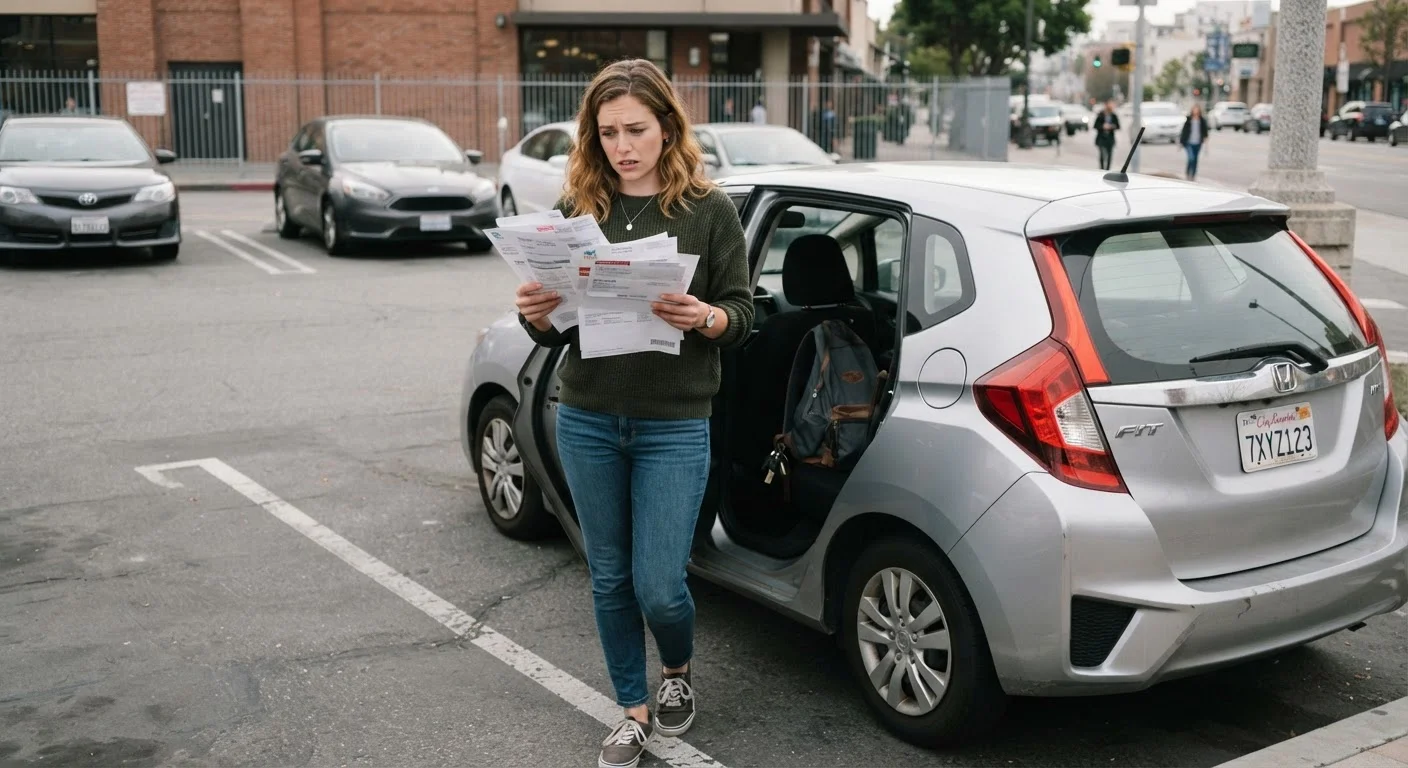
What Nobody Tells You Before You Buy
Getting your first car feels like a milestone - and it is. But the purchase price is rarely where the spending stops. For many first-time owners, the real financial shock comes in the weeks and months after signing the paperwork, when costs that never made it into any mental budget start landing one by one.
This isn't a reason to avoid car ownership - it's a reason to go in with clear eyes. The same principle applies to other major life steps: our related piece on overlooked costs when moving out for the first time shows just how universally these financial blind spots occur. For a comprehensive look at every expense category tied to owning a vehicle, the full car ownership cost breakdown is worth reading alongside this article.
Below are the costs that catch first-time car owners most off guard - and what to know about each one.
This is general financial information
The costs described in this article are illustrative ranges based on commonly reported figures in the US market. Actual costs vary by location, vehicle type, driving habits, and individual circumstances. This content is for educational purposes and is not personalised financial advice. For decisions specific to your situation, consider speaking with a financial adviser.
The Costs That Add Up Faster Than Expected
Vehicle Registration and Road Tax
Once you've bought a car, you'll need to register it and pay road tax before it legally hits the road. In the US, registration fees vary significantly by state - some charge a flat rate, others base it on the vehicle's value or weight. On top of the initial registration, annual renewal fees apply. These totals can range from under $50 to well over $200 depending on your state and vehicle type. First-time buyers often factor in the purchase price but miss that these fees recur every year.
Registration fees recur annually and vary widely - often catching new owners completely off guard.
Auto Insurance (Beyond the Basics)
Insurance is unavoidable, but most new drivers underestimate just how much it costs - especially in the first year. Young drivers typically face higher premiums, and add-ons like gap insurance (which covers the difference between what you owe on a loan and the car's actual cash value) or roadside assistance riders add more. Your postcode, job title, and annual mileage all factor into what insurers charge. It's also worth understanding how comprehensive and third-party policies compare before assuming the cheaper option saves money overall.
Young drivers pay premium rates, and policy add-ons multiply the cost faster than most expect.
Routine Maintenance and Unexpected Repairs
Oil changes, air filter replacements, brake pad inspections, and fluid top-ups are routine - but they add up. A basic service can run $75-$150, and if something more significant surfaces (a worn belt, a failing sensor), costs climb fast. Many first-time owners assume a recently purchased car won't need work soon, but used vehicles in particular can carry hidden issues. Setting aside a dedicated maintenance fund from day one is one of the most practical things any new driver can do. See our car maintenance hub for guidance on keeping costs manageable.
Even a 'reliable' used car can need hundreds in repairs within the first year of ownership.
Tyre Replacement and Alignment
Tyres wear down - and replacing a full set can cost anywhere from $400 to $800 or more depending on size and type. Many buyers never think about tyre age when purchasing a used car; tyres that look fine visually may still be due for replacement based on age alone. Wheel alignment, which affects how evenly tyres wear, is another recurring cost. Misalignment caused by potholes or kerb strikes can quietly shorten tyre life and affect handling. Budget for at least one tyre-related expense in your first two years of ownership.
A full tyre replacement can cost $400-$800 - a bill most new owners aren't financially prepared for.
Parking Permits, Tolls, and Fines
If you live in or near a city, parking costs can be surprisingly significant. Residential permits may require an annual fee, metered street parking adds up on daily errands, and paid lots or garages in urban areas can charge $10-$30 per visit. Toll roads and bridge fees are another invisible line item for drivers who commute regularly. And then there's the unavoidable risk of parking fines - which vary but can run $50-$150 per ticket depending on the violation and city. These costs are easy to dismiss until they're appearing monthly.
City drivers can spend hundreds annually on permits, tolls, and fines before they realise it.
Depreciation - The Largest Silent Cost
Depreciation is money leaving your pocket without you writing a single cheque. New vehicles can lose 15-20% of their value in the first year alone; over five years, many lose more than half their purchase price. Even used cars depreciate, though more slowly. This matters most if you ever plan to sell or trade in - you may receive far less than you expect. Understanding how depreciation works is essential for making smart long-term decisions about which vehicle to buy and when to sell.
Depreciation is the single largest cost of car ownership - and most new drivers never think about it.
Breakdown Cover and Emergency Costs
Being stranded without roadside assistance can be both stressful and expensive. A single tow can cost $75-$200 depending on distance. Many drivers add roadside assistance through their insurer or a standalone provider, which typically runs $50-$100 annually - a reasonable trade-off for peace of mind. Emergency costs beyond breakdowns also apply: a cracked windscreen, a dead battery in winter, or a puncture on the highway each carry their own price tag. These aren't everyday events, but they happen often enough to warrant a small emergency buffer.
A single roadside breakdown without cover can cost more than a full year of assistance membership.
Building a Realistic Ownership Budget
The smartest thing any new car owner can do is calculate their true annual cost of ownership - not just the monthly payment or fuel spend. Add up insurance, registration, maintenance, tyres, parking, and a depreciation estimate, and you may find the real figure is 40-60% higher than the sticker price alone suggested.
If you're planning a longer drive in your new vehicle, it's also worth reviewing the overlooked expenses that drain road trip budgets - fuel and tolls are just the beginning there too. For a broader view of what car ownership actually costs young drivers each year, the numbers may prompt you to reconsider vehicle size, age, or type before committing. The goal isn't to discourage ownership - it's to make sure your budget reflects reality from the start, so there are no unpleasant surprises three months in.