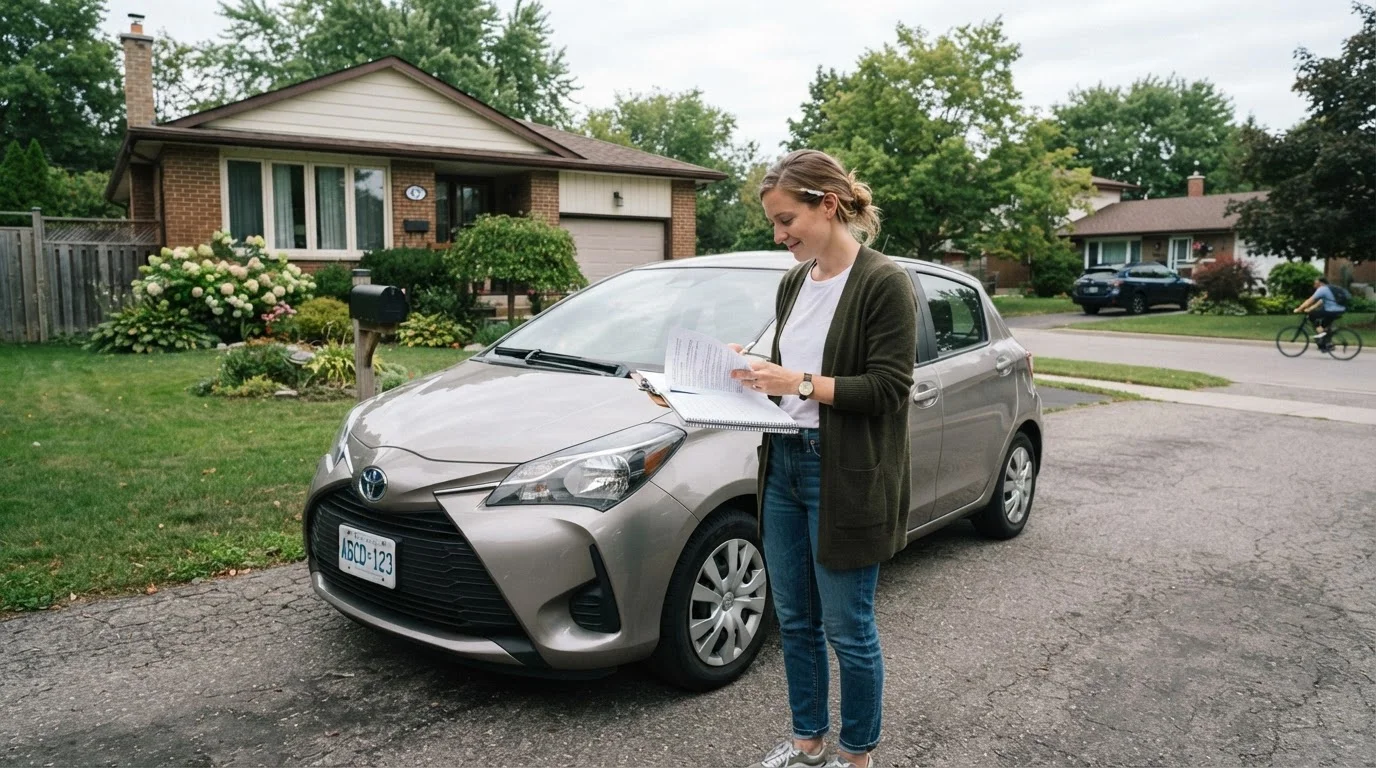
The Real Price Tag: Beyond the Sticker
When most new drivers think about buying a car, they focus on the purchase price - and understandably so. But the sticker price is just the entry fee. For young adults especially, the ongoing costs of ownership often come as a genuine shock. What car ownership actually costs annually includes depreciation, insurance, fuel, financing interest, maintenance, and fees - all layered on top of the original purchase.
According to AAA's annual Your Driving Costs report, the average American driver spends well over $10,000 per year on vehicle ownership when all costs are combined. For a new driver operating a modest used sedan, that figure will be lower - but the structure of costs is the same. Understanding each category in advance is the single most effective way to budget accurately and avoid being caught off guard.
Registration, Taxes, and Title Fees
Before you can legally drive a newly purchased vehicle, you'll pay a cluster of government fees. These vary by state but typically include:
- Sales tax: Applied on the purchase price at your state's rate, often 4-10%.
- Title transfer fee: Usually $15-$100 depending on the state.
- Registration fee: Ranges widely - from under $50 in some states to several hundred dollars in others, sometimes calculated based on vehicle weight or value.
- Annual renewal: Registration must typically be renewed each year, so factor this into your recurring budget.
Some states also charge a personal property tax on vehicles each year. Check your specific state's DMV website to get accurate figures before finalizing a purchase decision. These fees catch many new drivers off guard - don't let them catch you.
Insurance Costs for New Drivers
Auto insurance is non-negotiable in virtually every U.S. state, and it's one of the steepest costs for drivers under 25. Insurers price premiums based on statistical risk, and younger drivers - particularly males under 25 - fall into higher-risk brackets. Annual premiums for a single young driver on their own policy can range from roughly $2,000 to over $4,000 depending on location, vehicle type, driving record, and coverage level.
Ask about adding yourself to a parent's existing auto policy before buying your own - in many cases this is cheaper than a standalone policy for a young driver.
Insurance companies calculate risk on the policyholder profile; a multi-car household policy with experienced drivers on record typically yields lower per-driver premiums than a solo young-driver policy.
When budgeting for a used car, pull a vehicle history report and have a pre-purchase inspection done by an independent mechanic - the $100-$150 fee can reveal thousands in hidden repair needs.
A pre-purchase inspection is one of the highest-ROI steps a first-time buyer can take; it surfaces deferred maintenance and prior damage that a test drive alone won't reveal.
The coverage options you choose significantly affect cost. Liability-only coverage is the minimum required by law in most states, but it won't pay for damage to your own vehicle. Adding collision and comprehensive coverage raises premiums but protects your asset. Carefully weigh the value of your car against the added premium cost before deciding on a coverage tier. If you're comparing ownership structures, leasing vs. buying also affects what insurance you're required to carry.
Fuel: Estimating Your Real Annual Spend
Fuel cost depends on three variables: how many miles you drive annually, your vehicle's fuel economy (miles per gallon), and the local price of gas. The U.S. average is roughly 15,000 miles driven per year. At 30 MPG and $3.50 per gallon, that's approximately $1,750 annually - but urban drivers with shorter, stop-and-go trips often see worse real-world fuel economy than the EPA estimate suggests.
To estimate your own fuel cost: divide your annual mileage by your car's realistic MPG, then multiply by your local average gas price. This simple calculation gives you a personal baseline. Keeping tires properly inflated and avoiding hard acceleration can meaningfully improve fuel efficiency without any additional spending.
Maintenance, Repairs, and Unexpected Bills
Routine maintenance - oil changes, tire rotations, air filters, brake pads - is predictable and budgetable. A general rule of thumb is to set aside $1,000-$1,500 per year for a used vehicle in good condition, acknowledging that older vehicles with more mileage may need more. Major repairs (transmission, timing belt, cooling system) can run $1,000-$3,000 or more and are harder to anticipate.
The Car Maintenance hub outlines which tasks you can realistically handle yourself versus when a licensed mechanic is the safer call. Some basic tasks - like checking fluid levels or replacing wiper blades - are low-risk DIY jobs. Brake and suspension work, however, should be handled by a qualified technician to ensure safety.
Note: Always consult a qualified mechanic before attempting repairs that involve braking, steering, or safety systems.
Depreciation: The Silent Largest Cost
Depreciation - the loss of your vehicle's value over time - is often the biggest annual cost of owning a car, yet it's invisible on any monthly bill. A new car can lose 15-25% of its value in the first year alone. Over five years, many vehicles lose 50-60% of their original purchase price.
For new drivers purchasing a used vehicle, depreciation is slower in percentage terms, which is one financial advantage of buying used. Understanding this dynamic is part of the broader picture covered in what car ownership actually costs beyond the sticker. While you can't eliminate depreciation, choosing a vehicle with a historically strong resale value curve can reduce the hit over time.
Building a Realistic Car Budget
Once you've mapped out each cost category, consolidate them into a monthly figure. A simple framework:
- Loan or lease payment (if applicable)
- Insurance premium divided by 12
- Fuel estimate based on your driving habits
- Maintenance reserve - set aside a fixed monthly amount
- Registration and fees divided across 12 months
Add those figures together and compare them against your take-home income. Financial guidance commonly suggests keeping total transportation costs below 15-20% of your monthly take-home pay, though your personal situation will vary. Tracking your car spending in one place helps you spot where the budget is leaking and where there's room to cut. For broader money management context, the Budgeting Basics hub offers practical frameworks that apply directly to vehicle expense planning.
This article provides general financial information for educational purposes and is not personalized financial advice. Consult a qualified financial professional for guidance specific to your situation.