How Each Method Works
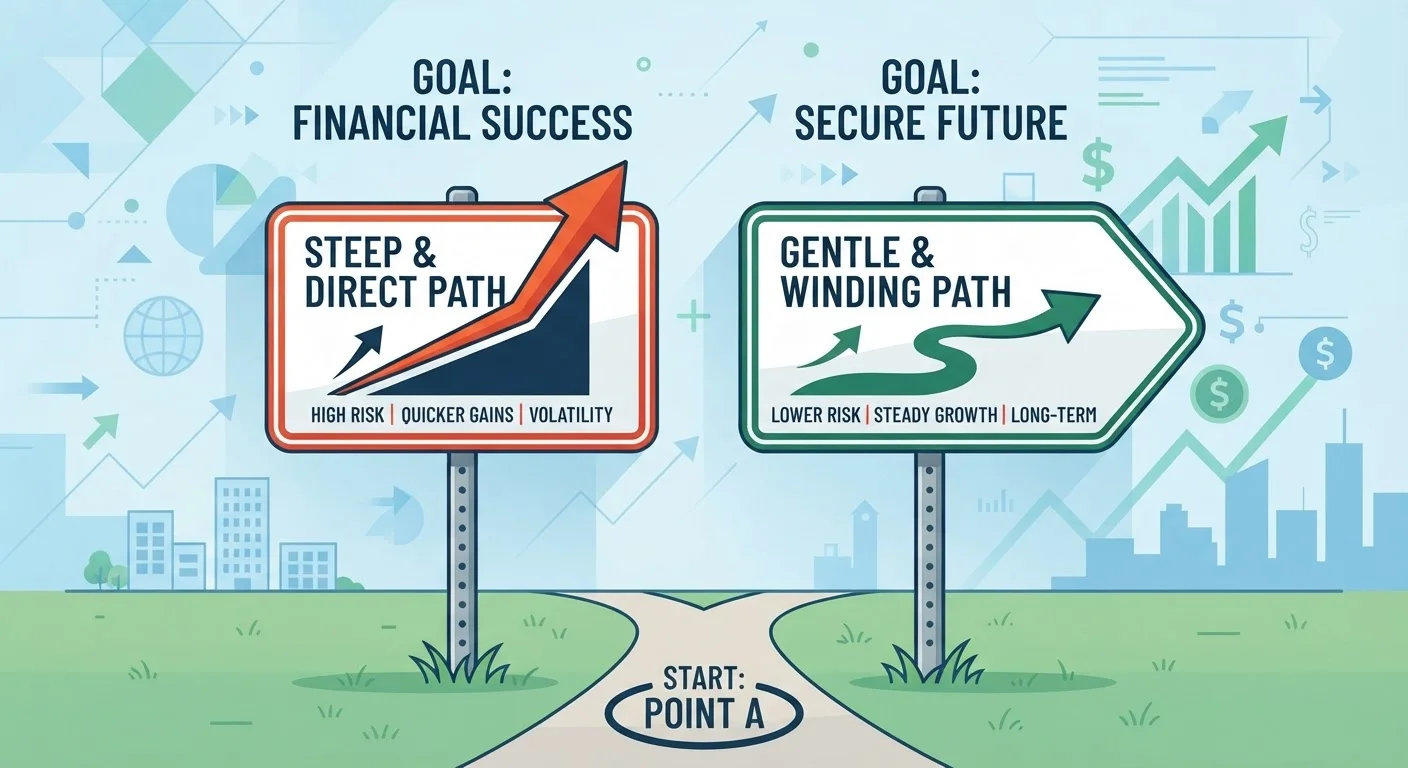
Both strategies share the same foundational rule: pay the minimum required amount on every debt each month, then direct any extra money - even $20 or $50 - to one priority account. The difference lies entirely in which account gets that extra payment.
Debt Avalanche: Rank your debts from highest annual percentage rate (APR) to lowest. Apply all extra funds to the highest-rate balance. Once it's eliminated, roll that freed-up payment amount into the next highest-rate debt, and continue until every balance is zero. Because interest is the cost you pay to carry debt, reducing it at the source first is the most efficient mathematical path. Before diving in, it helps to review key debt terms like APR and principal so you can read your statements with confidence.
Debt Snowball: Rank your debts from smallest balance to largest, regardless of interest rate. Direct extra money to the smallest balance first. When that account reaches zero, roll its payment into the next smallest, building a larger and larger "snowball" of payment capacity. The first payoff might come in just a few months, delivering a concrete sense of progress.
| Criterion | Debt Avalanche | Debt Snowball |
|---|---|---|
| Priority order | Highest APR first | Smallest balance first |
| Total interest paid | Lower (mathematically optimal) | Potentially higher |
| Time to first payoff | Longer if highest-rate debt is large | Faster - small debts clear quickly |
| Psychological reward | Delayed; relies on discipline | Frequent early wins |
| Best debt profile | Wide spread in interest rates | Many small or similar-rate balances |
| Complexity | Low - requires knowing your APRs | Low - requires knowing your balances |
The Real Cost Difference - and Why It's Not the Whole Story
In a straight mathematical comparison, the Avalanche nearly always results in less total interest paid. Consider a simple example: if you have a $3,000 credit card balance at 22% APR and a $500 medical bill at 0% interest, paying off the medical bill first (Snowball) costs you nothing extra but delays attacking the high-rate balance. On larger, multi-debt scenarios, that delay can add hundreds of dollars in interest.
~$1,000+
Potential interest saved with Avalanche on typical multi-debt scenarios
Estimates vary widely based on balance size, APR spread, and extra payment amount - individual results depend on specific debt profiles.
3-5 years
Typical payoff timeline for focused debt repayment plans
Consumer financial education organizations note that consistent extra payments can substantially shorten payoff timelines compared to minimum-only payments.
~$1 trillion
Revolving consumer credit outstanding in the U.S.
Federal Reserve data tracking revolving credit (primarily credit cards) illustrates how widespread high-interest debt is among American households.
However, math alone doesn't determine outcomes - behavior does. A 2012 study published in the Journal of Marketing Research found that consumers who focused on clearing individual accounts - consistent with the Snowball approach - were more likely to eliminate their total debt than those who distributed payments proportionally. The act of closing an account creates a measurable psychological reward that sustains effort over time.
That means choosing the "mathematically inferior" method isn't necessarily the wrong choice. If the Snowball keeps you engaged and on plan for three years while the Avalanche causes you to abandon the effort after six months, the Snowball wins in practice. Your plan should fit both your finances and your personality. For a broader view of behaviors that support debt health long term, see principles for managing credit and debt well.
Practical Steps to Get Started
Regardless of which method you choose, these steps apply:
- List every debt. Write down each balance, minimum payment, and interest rate. Clarity is the starting point.
- Set your priority order. Sort by APR (Avalanche) or balance size (Snowball) depending on your chosen method.
- Identify your extra payment amount. Even a small consistent surplus matters. A solid budgeting foundation helps you find that surplus without cutting essentials.
- Automate minimums. Set all minimum payments to auto-pay so you never accidentally damage your credit score with a missed payment.
- Redirect freed-up payments immediately. When one debt is paid off, don't absorb that payment back into spending - roll it forward.
Both strategies become even more powerful when you're not taking on new high-interest debt simultaneously. If you're also exploring whether debt consolidation might simplify your situation, understand the mechanics carefully before combining it with either approach.
Once you've made progress, build an annual habit of reviewing your debt trajectory - an annual credit and debt checklist can help you spot drift before it compounds.
This article is for general informational purposes only and does not constitute personalised financial advice. Please consult a qualified financial professional for guidance specific to your situation.