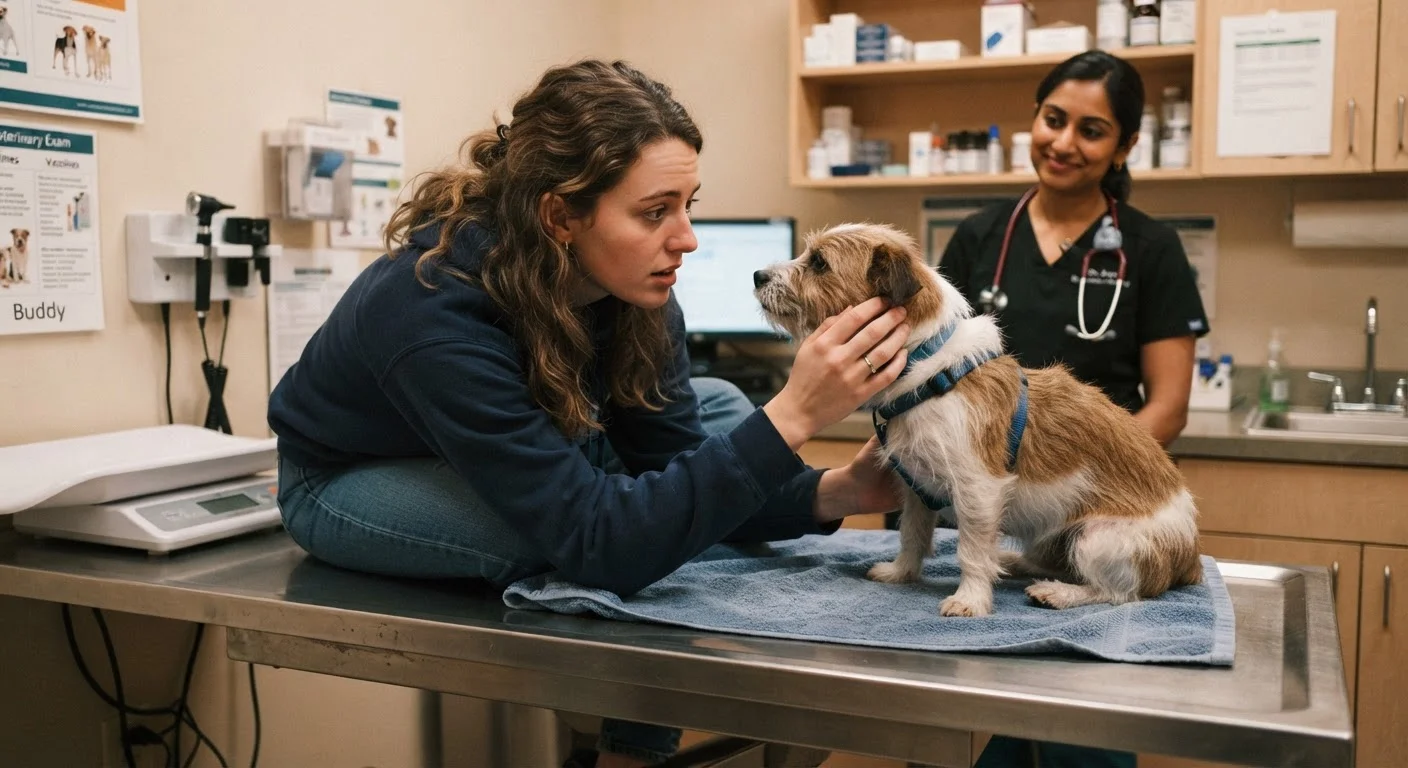
Go Now: Symptoms That Need Emergency Vet Care Immediately
Some situations cannot wait. If your pet shows any of the following signs, head to an emergency veterinary clinic right away - do not attempt to manage these at home or wait for a regular appointment.
- Difficulty breathing - laboured, wheezing, open-mouth breathing in cats, or rapid shallow breaths
- Suspected bloat (GDV) - distended abdomen, unproductive retching, restlessness (especially in large-breed dogs)
- Seizures - any seizure lasting more than two minutes, or multiple seizures within 24 hours
- Collapse or loss of consciousness - including sudden weakness in the hind limbs
- Suspected poisoning - ingestion of known toxins (xylitol, grapes, rodenticides, certain houseplants) or unusual neurological symptoms
- Uncontrolled bleeding - wounds that do not stop bleeding within five minutes of direct pressure
- Urinary blockage - straining to urinate with little or no output, especially in male cats
- Trauma - hit by a vehicle, fall from height, or animal attack with visible injury
- Pale, white, blue, or grey gums - a sign of circulatory distress
- Eye injury or sudden vision loss - including a protruding eyeball
This article is general health information only and is not a substitute for professional veterinary advice. Always contact a licensed veterinarian when you are uncertain about your pet's condition.
Can Wait (With Monitoring): Symptoms for a Next-Day or Soon Appointment
Not every worrying sign is a five-alarm emergency - but "can wait" does not mean ignore. Monitor your pet closely and book a regular vet appointment within 24-48 hours if you notice any of the following.
- Single episode of vomiting or diarrhea - without blood, lethargy, or dehydration signs in an otherwise alert pet
- Mild limping - with no obvious open wound, and pet is still bearing some weight
- Minor skin irritation or a small lump - that has been present for days rather than appearing suddenly overnight
- Ear odor or head shaking - likely an ear infection, uncomfortable but rarely a same-day emergency
- Reduced appetite for one day - in an otherwise active pet with no other symptoms
- Mild eye discharge - small amounts of clear or slightly cloudy discharge without swelling or squinting
- Coughing - occasional cough without distress, blood, or laboured breathing
When in doubt, calling your vet's after-hours line is always a reasonable step. Many practices offer nurse triage by phone at no charge, and telehealth veterinary services are an increasingly accessible option for quick guidance. See our comprehensive guide to affordable pet health for emergency planning tips.
How to Prepare Before an Emergency Happens
Being prepared saves precious minutes when every second counts. Keep the following information accessible - saved in your phone or posted near your front door.
- Your regular vet's phone number and after-hours instructions
- The address and phone number of the nearest 24-hour emergency animal hospital
- ASPCA Animal Poison Control Center number: (888) 426-4435 (note: a consultation fee may apply)
- Your pet's current weight, medications, and known allergies in a note on your phone
Building good preventive care habits is one of the most effective ways to reduce the likelihood of a crisis in the first place. And if cost is a concern, exploring pet insurance or a dedicated emergency savings fund before a crisis occurs is worth considering - our budget pet care guide breaks down where your dollars go furthest. New pet owners can also use our health readiness checklist to get set up from the start.
GDV (Gastric Dilatation-Volvulus)
A life-threatening condition, sometimes called bloat, in which the stomach fills with gas and twists on itself. It requires immediate surgery and is most common in large, deep-chested dog breeds.
Triage
The process of assessing the urgency of a patient's condition to determine the priority of care. In veterinary contexts, triage helps staff identify which animals need immediate attention.
Urinary blockage
An obstruction preventing normal urination, most commonly seen in male cats. It is a medical emergency because toxins rapidly accumulate in the bloodstream when the bladder cannot empty.
Cyanosis
A bluish or grey discolouration of the gums, tongue, or skin caused by insufficient oxygen in the blood. In pets, it is a critical warning sign requiring immediate veterinary attention.
Toxin ingestion
Consumption of any substance harmful to a specific animal species. Common household hazards for pets include xylitol (found in some sugar-free products), certain plants, chocolate, and rodent poisons.